



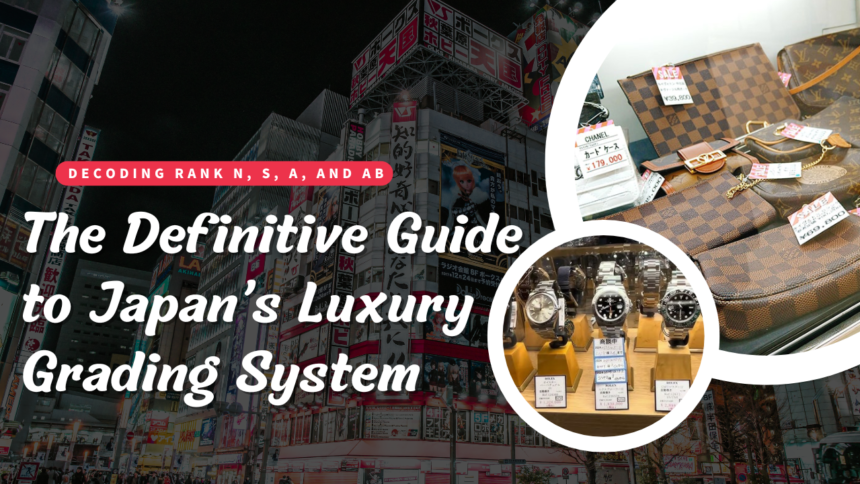

Why Japan’s Luxury Grading System Is Trusted Worldwide
If you’ve ever browsed Japanese luxury resale stores and thought, “Why does this ‘used’ bag look brand new?”—you’re not alone.
Japan’s luxury grading system has earned a global reputation for being brutally honest, incredibly consistent, and almost conservative to a fault.
In a world where “excellent condition” can mean wildly different things depending on the seller, Japan stands out.
Their system doesn’t hype products.
It under-promises and over-delivers—and that’s exactly why collectors, resellers, and everyday buyers trust it.
The Big Shock: Why a Rank B in Japan Feels Like Near Mint in the US
Here’s the high-value truth most first-time buyers don’t realize:
A Rank B item in Japan often looks like a “Near Mint” or “Excellent” item in the US.
Sounds crazy, right? But it’s true.
In many Western markets, sellers focus on selling. In Japan, sellers focus on not disappointing. Even minor signs of use—barely visible corner softening, microscopic scratches, or natural leather patina—can push an item down to Rank B.
So when Japanese sellers say “B,” they’re often saying:
“This item has lived a careful life—and we’re being extra honest about it.”
That honesty is your advantage.
How Japan Became the Global Gold Standard for Pre-Owned Luxury
Japan didn’t accidentally become the world’s luxury resale capital. A few key reasons explain it:
- Strict consumer protection laws
- Zero tolerance for counterfeits
- Cultural emphasis on transparency and trust
- Highly trained authenticators
- Reputation-based retail culture
Luxury resale shops in Japan survive on repeat customers. One misgraded item can damage years of credibility. So they grade conservatively—every single time.
Understanding Japanese Luxury Condition Ranks (At a Glance)
Let’s break down the system in plain English.
Rank N: Brand New, Never Used
This is exactly what it sounds like.
- Unused
- Often includes original packaging
- Sometimes sourced directly from boutiques
Think of Rank N as store-fresh perfection.
Rank S: Like New / Mint Condition
Rank S items are barely distinguishable from new.
- Used once or twice at most
- No visible wear
- Hardware still pristine
If Rank N is untouched, Rank S is whispered luxury.
Rank A: Excellent Condition
This is where most smart buyers focus.
Rank A items:
- Show minimal signs of use
- Have clean corners and interiors
- Maintain strong structure and shape
- May have extremely minor hairline marks
This answers a common question directly:
What is Rank A luxury in Japan?
It’s luxury that has been gently used—but meticulously cared for.
Rank AB: Gently Used but Well Maintained
Rank AB is the sweet spot between condition and value.
- Light, visible signs of use
- Corners may show gentle wear
- Interior may show slight marks
- Overall appearance still premium
Many AB items would easily qualify as “Excellent” in Western markets.
Rank B: Visible Use but High Quality
Here’s where the magic happens.
Rank B in Japan does not mean damaged.
It means:
- Noticeable but honest wear
- Corners softened, not destroyed
- Hardware used, not abused
- Leather aged, not cracked
For everyday luxury lovers, Rank B is often the best deal in the room.
Rank C: Clearly Used (But Still Authentic)
Rank C items show obvious wear.
- Scratches
- Discoloration
- Structural softening
Still authentic. Still usable. Just well-loved.
Deep Dive: What Is Rank A Luxury in Japan?
Rank A is often misunderstood, especially by first-time buyers.
Typical Signs of Rank A Items
- Slight natural leather patina
- Hairline scratches on hardware (visible only under light)
- Minimal interior signs
What You Won’t See in Rank A
- Peeling
- Strong odors
- Structural collapse
- Heavy corner damage
If you want peace of mind without paying “new” prices, Rank A is your lane.
Rank AB Explained: The Sweet Spot for Smart Buyers
Rank AB is where value hunters thrive.
Why Rank AB Is Often the Best Value
You’re paying less for flaws that:
- Don’t affect usability
- Don’t reduce longevity
- Often disappear in real-world use
Who Should Buy Rank AB Items
- Daily luxury users
- Fashion-forward buyers
- Anyone who values function over perfection
Why Japanese Sellers Grade More Strictly Than the US & Europe
Cultural Factors
In Japan, honesty is not a selling tactic—it’s a responsibility.
Legal & Consumer Protection
Misrepresentation can lead to serious penalties. Conservative grading protects sellers and buyers.
Reputation-First Culture
One unhappy customer can permanently damage a store’s credibility.
Japanese Luxury Condition Ranks vs Western Grading Systems
Japan vs US
- Japan’s Rank B ≈ US Excellent
- Japan’s Rank A ≈ US Near Mint
Japan vs Europe
European grading tends to be more descriptive, but still less conservative than Japan’s ranking system.
What “Flaws” Actually Mean in Japanese Listings
Japanese flaw descriptions are famously precise.
Micro Scratches
Often invisible unless tilted under direct light.
Hardware Hairlines
Normal signs of gentle use, not abuse.
Interior Marks
Usually light impressions or makeup residue—never stains unless clearly stated.
How Authentication Impacts Grading in Japan
In Japan, grading comes after authentication.
If authenticity is uncertain, the item never reaches the shelf.
That’s why Japan pre-owned luxury grades feel safer—they’re backed by rigorous verification.
Why Rank B in Japan Is Still a Power Buy
Real-World Reality
Many Rank B items:
- Photograph like Rank A
- Wear like Rank S
- Last for years
Why Resellers Love It
Lower buy-in, higher resale margins, fewer surprises.
How to Choose the Right Rank for Your Lifestyle
Collectors
Stick to Rank N, S, or A.
Everyday Users
Rank A or AB offers freedom without fear.
Resellers & Investors
Rank B can deliver serious ROI.
Common Myths About Japan Pre-Owned Luxury Grades
- Myth: Rank B means poor condition
Truth: It means honest grading. - Myth: Rank A equals unused
Truth: It means exceptionally maintained.
Pro Tips for Buying Japanese-Graded Luxury Items Online
- Always read condition notes
- Zoom into photos
- Trust the rank more than marketing language
- Expect better condition than described
Final Verdict: Why Japan’s Grading System Protects Buyers
Japan’s luxury grading system isn’t designed to sell dreams—it’s designed to protect trust. That’s why a Rank B from Japan often feels like a hidden gem, not a compromise.
Once you understand the system, you stop fearing letters—and start finding value.
FAQs
1. Are Japanese luxury condition ranks standardized?
Yes, while minor wording differs, the ranking logic is consistent across reputable sellers.
2. What is rank A luxury best for?
Buyers who want excellent condition without paying full retail prices.
3. Is Rank AB safe to buy online?
Absolutely. It’s one of the most balanced choices for quality and price.
4. Why are Japanese luxury grades stricter than the US?
Cultural honesty, legal protection, and reputation-driven retail.
5. Can Rank B items still be resold profitably?
Yes—especially when sourced from Japan and resold in Western markets.