


Understanding Japan’s Tax-Free Luxury Landscape
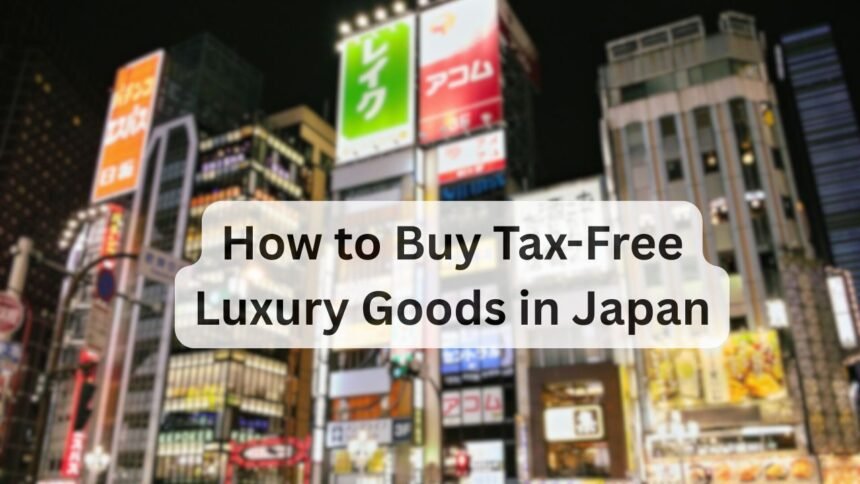
Japan has become a global sanctuary for luxury shopping, with Tokyo at the epicenter.
- Understanding Japan’s Tax-Free Luxury Landscape
- Japan’s Consumption Tax: What Luxury Buyers Must Know
- Who Qualifies for Tax-Free Shopping in Japan?
- Strategies to Optimize Luxury Purchases Without Tourist Status
- 1. Embrace Japan’s Elite Resale Culture
- 2. Focus on Value Retention Over Tax Savings
- 3. Leverage Store Loyalty and Boutique Relationships
- Authenticity and Craftsmanship: Why Tokyo Remains Unrivaled
- Where to Shop in Tokyo: District-by-District Guide
- Ginza: Flagship Majesty and High Jewelry
- Omotesando: Architectural Luxury and Fashion Forward
- Shibuya & Daikanyama: Discreet Resale and Collector Finds
- Ikebukuro: Accessible Luxury and Hidden Gems
- Influencer Trends and Japanese Shopping Culture
- Red Flags and Best Practices When Buying in Tokyo
- How Tax-Free Rules Interact with Resale and Export
- Conclusion
- FAQs
From the luminous flagship boutiques in Ginza to the architectural temples of style in Omotesando and the discreet resale salons of Shibuya and Daikanyama, the city offers an unparalleled ecosystem for acquiring both new and pre-owned designer pieces.
While most conversations around tax-free shopping focus on short-term visitors, an increasing number of long-stay residents, business professionals, and international students seek ways to optimize their luxury purchases within Japan’s tax framework—without traditional “tourist” status.
This guide explores how Japan’s consumption tax rules intersect with luxury buying, and how sophisticated collectors and fashion aficionados can shop intelligently, ethically, and advantageously in Tokyo’s most coveted districts.
Japan’s Consumption Tax: What Luxury Buyers Must Know
Japan levies a consumption tax on most goods, including luxury fashion, watches, and jewelry.
Tax-free shopping is legally designed for “non-residents” who meet specific criteria, not simply anyone who is not Japanese. Understanding this distinction is essential before planning any major acquisition.
- Tax applies uniformly to local and foreign buyers who are considered residents.
- Tax-free privileges are generally reserved for short-stay non-residents with appropriate entry stamps.
- Luxury purchases are still highly attractive even with tax, due to exceptional product curation, exclusive Japan-only items, and pristine resale inventory.
“In Tokyo, the true value proposition is not only tax savings; it is access—access to rare editions, impeccable condition, and an elevated, detail-obsessed shopping culture.”
Who Qualifies for Tax-Free Shopping in Japan?
The key factor is not nationality, but residency status and length of stay. While you should always confirm details at the point of sale, a simplified framework looks like this:
- Non-resident / Short-term visitor: Typically eligible for tax-free purchases if total spending per day at a store meets the threshold and conditions for tax exemption.
- Mid– to long-term resident (work visa, student visa, long-term stay): Generally treated as a resident and not eligible for standard tourist-style tax-free shopping.
- Diplomatic or special-status cases: Certain individuals may have unique exemptions depending on status and documentation.
If you are living in Japan or have transitioned from a short-stay status to a residence status, you are typically no longer considered eligible for regular tourist tax-free shopping—even if you are not a Japanese citizen. However, this does not mean your luxury strategy ends here.
Strategies to Optimize Luxury Purchases Without Tourist Status
For long-term residents and non-tourist buyers, the focus shifts from chasing tax exemption to maximizing total value: access, condition, resale potential, and buying channels.
Tokyo’s sophisticated luxury ecosystem, especially in areas like Ginza, Omotesando, Shibuya, Daikanyama, and Ikebukuro, offers multiple paths to intelligent ownership.
1. Embrace Japan’s Elite Resale Culture
Tokyo’s luxury resale market often mitigates the impact of consumption tax through competitive pricing and impeccable standards. Shibuya’s inner streets, Daikanyama’s discreet boutiques, and select addresses in Ikebukuro host specialist resellers dealing in Chanel, Hermès, Louis Vuitton, Rolex, Cartier, and beyond.
- Carefully curated “like-new” or “unused” items can rival or undercut tax-inclusive boutique prices.
- Japan’s cultural emphasis on meticulous care means pre-owned pieces often arrive in exceptional condition.
- Resale shops frequently rotate inventory quickly, providing fresh opportunities for collectors.
2. Focus on Value Retention Over Tax Savings
For investors and serious fashion collectors, the most meaningful metric is resale potential, not just upfront tax relief.
- Hermès Birkin and Kelly bags: Strong long-term value when purchased in pristine condition with full set (box, dust bag, receipt).
- Chanel classic flaps and mini bags: High global demand and regular price increases support resilient resale prices.
- Rolex and select Patek Philippe watches: Desirable references may maintain robust market value even after taxes.
The right piece, acquired at the right time and condition in Tokyo, can remain financially compelling despite taxes, especially given Japan’s transparent grading and authentication culture.
3. Leverage Store Loyalty and Boutique Relationships
Regular clients in Ginza and Omotesando often benefit from invitations to exclusive previews, access to limited editions, and attentive clienteling. While these advantages do not remove tax obligations, they significantly elevate the quality of items available to you.
“For serious clients, the true luxury lies not in a discount, but in being offered the most exceptional piece before it reaches the display.”
Developing a relationship with sales associates in flagship boutiques—whether at Ginza’s high jewelry salons or Omotesando’s architectural maisons—can unlock rare colors, special-order models, and seasonal Japan-limited pieces that hold strong desirability across global resale markets.
Authenticity and Craftsmanship: Why Tokyo Remains Unrivaled
Japan’s exacting retail standards make Tokyo one of the safest environments globally for acquiring high-value items, especially pre-owned. Buyers in Ginza and Shibuya’s luxury resale corridors benefit from:
- Stringent internal authentication: Multiple checks for stitching, stamping, hardware engraving, and material consistency.
- Transparent condition grading: Clear descriptions and photographic evidence of even minute imperfections.
- Respect for craftsmanship: A cultural preference for original condition, proper storage, and minimal misuse of luxury goods.
Whether you are inspecting the impeccable glazing on a Louis Vuitton trunk or the exact alignment of Hermès saddle stitching, Japanese retailers tend to present pieces that honor the original atelier’s intent.
Where to Shop in Tokyo: District-by-District Guide
Ginza: Flagship Majesty and High Jewelry
Ginza is Tokyo’s most refined luxury boulevard, home to major maisons and high jewelry salons. For residents who cannot shop tax-free, Ginza’s appeal lies in the service level and merchandise selection: limited-edition pieces, latest-season collections, and Japan-exclusive releases that often become coveted on the secondary market.
Omotesando: Architectural Luxury and Fashion Forward
Omotesando blends avant-garde architecture with high luxury. Here, brands emphasize fashion-forward capsules, runway pieces, and collaborations that resonate strongly with influencers and early adopters. For collectors, Omotesando is ideal for acquiring fashion statements with strong editorial presence and social media visibility.
Shibuya & Daikanyama: Discreet Resale and Collector Finds
Beyond Shibuya’s famous crossings lies a network of curated resale boutiques. Daikanyama, with its calm streets and design-conscious atmosphere, is especially appealing to connoisseurs seeking under-the-radar pieces: archival Céline, past-season Dior, limited-run sneakers, and rare watches.
Ikebukuro: Accessible Luxury and Hidden Gems
Ikebukuro offers a mix of department stores and resale specialists. It is an excellent area for discovering competitively priced items in very good condition, particularly for those building a collection or searching for popular, high-volume pieces like monogram bags and timepieces.
Influencer Trends and Japanese Shopping Culture
Japanese shoppers tend to value subtlety, longevity, and quality. Influencers in Tokyo’s luxury scene frequently mix:
- One statement designer piece with otherwise minimal styling.
- Vintage or pre-owned items from Shibuya and Daikanyama with current-season runway accessories from Ginza or Omotesando.
- Monochrome palettes and refined silhouettes that highlight the craftsmanship of each item.
This layered approach—new, pre-owned, high, and quiet—offers a blueprint for non-tourist buyers seeking to build a sophisticated wardrobe without relying on tax exemptions.
Red Flags and Best Practices When Buying in Tokyo
Key Red Flags to Avoid
- Unclear documentation for high-value items, especially watches and fine jewelry.
- Poor lighting or refusal to allow close inspection of stitching, hardware, and interior stamping.
- Inconsistent information regarding condition or origin of the item.
Best-Practice Buying Advice
- Request itemized receipts and keep documentation carefully—this strongly supports future resale value.
- Compare boutique and resale prices across multiple districts; Ginza, Omotesando, and Shibuya can vary markedly.
- For major investments, consider professional third-party authentication in addition to in-store guarantees.
How Tax-Free Rules Interact with Resale and Export
While residents typically pay consumption tax at purchase, some collectors later sell or consign items to global buyers. If you intend to export or resell internationally:
- Choose timeless models and classic colors favored across markets (e.g., black, gold hardware, neutral leathers).
- Maintain original packaging, receipts, ribbons, and accessories, as Japanese buyers and international clients both reward completeness.
- Monitor global price evolution for your chosen brands; Tokyo’s disciplined condition standards can command a premium abroad.
Even without tourist-style tax relief, Japan can be an advantageous sourcing ground for pieces that retain or increase in value, particularly when purchased thoughtfully.
Conclusion
Buying tax-free luxury goods in Japan without tourist status is, in most cases, not the central strategy for long-stay residents and non-tourist buyers. Instead, Tokyo rewards those who approach luxury as a long-term, holistic pursuit: nurturing boutique relationships in Ginza and Omotesando, exploring Shibuya and Daikanyama’s meticulous resale salons, and selecting pieces whose craftsmanship, rarity, and condition transcend the immediate question of tax.
For collectors, fashion enthusiasts, and sophisticated buyers, Japan offers something even more compelling than tax savings: a culture that reveres detail, protects authenticity, and treats each exceptional piece as a lifelong companion. Within this environment, every purchase—taxed or not—has the potential to become a considered investment in both style and value.
FAQs
Can long-term residents in Japan shop tax-free for luxury goods?
Long-term residents are generally treated as residents for tax purposes and are not eligible for standard tourist tax-free schemes. Eligibility is based on residency status and length of stay, not nationality. Always confirm your current status and requirements with the store before assuming tax exemption.
Is it still worth buying luxury goods in Tokyo if I cannot shop tax-free?
Yes. Tokyo offers exceptional access to limited editions, Japan-exclusive pieces, and an outstanding resale market with high condition standards. The combination of meticulous curation, authenticity assurance, and strong resale potential can make Tokyo an excellent place to buy even when paying consumption tax.
Where is the best place in Tokyo to find high-quality pre-owned luxury bags and watches?
Shibuya’s side streets, Daikanyama, and parts of Ikebukuro are renowned for high-quality luxury resale boutiques. These areas complement the flagship boutiques in Ginza and Omotesando, allowing you to compare new and pre-owned options and choose the piece that best aligns with your budget, taste, and long-term value goals.