



Why Tokyo-Exclusive Luxury Releases Matter
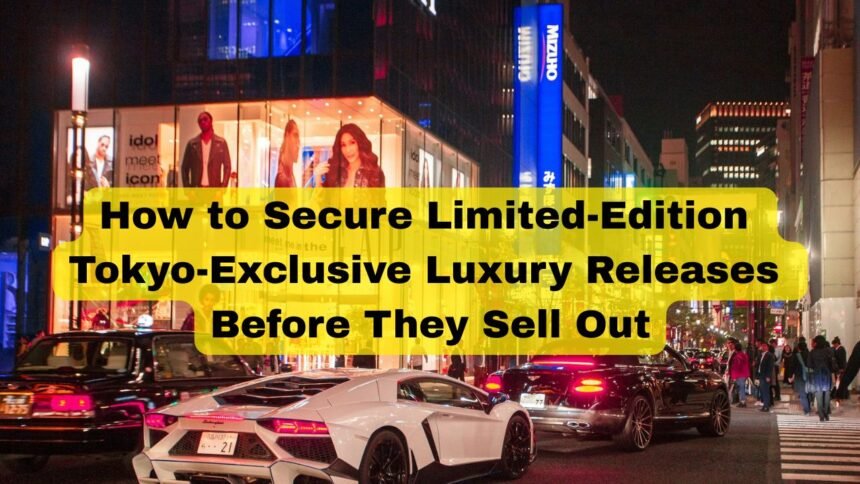
Tokyo has become one of the most coveted destinations for limited-edition luxury drops, from capsule collections in Ginza flagships to collaboration pieces available only in select Omotesando boutiques.
- Why Tokyo-Exclusive Luxury Releases Matter
- Understanding How Tokyo-Exclusive Drops Are Released
- Preparing Before You Land in Tokyo
- Leveraging Japanese Shopping Culture to Your Advantage
- Tax-Free Shopping and Official Purchase Rules
- Craftsmanship Details: What Makes These Pieces Exceptional
- Influencer Trends and Social Media Signals
- How Tokyo Buyers Authenticate and Shop the Resale Market
- Price Evolution and Resale Market Value
- Strategic Shopping Routes in Tokyo
- Style and Care Tips for Your Tokyo-Exclusive Pieces
- Conclusion
- FAQs
For collectors and style connoisseurs, “Tokyo-exclusive” signals rarity, refined design sensibility, and the unique cultural fusion that Japanese luxury retail does so well—impeccable service, meticulous presentation, and disciplined inventory control.
These pieces often feature colorways, motifs, or fabrication details inspired by Tokyo’s urban aesthetics—neon nightlife, serene temple gardens, or minimalist architecture. As a result, they sit at the intersection of fashion history and travel memory: a wearable souvenir that quietly broadcasts that you were there, at the right boutique, at the right moment.
Understanding How Tokyo-Exclusive Drops Are Released
Luxury houses typically reserve Tokyo-only releases for:
- Anniversaries of iconic flagships in Ginza or Omotesando
- Store openings and architectural revamps (especially in Shibuya and Roppongi)
- Brand–artist collaborations tied to Japanese culture
- Seasonal capsule collections for the Japanese market
These launches are often quietly teased to local clients and VIPs before being revealed to the wider public. Inventory is intentionally tight, with strict per-customer limits and minimal restocks.
Understanding this pattern—and the Tokyo shopping culture that surrounds it—is the first step to securing your desired piece before it disappears into private wardrobes and the resale ecosystem.
Preparing Before You Land in Tokyo
The most successful buyers begin their strategy weeks, sometimes months, in advance.
1. Build Relationships With Brand Boutiques
If you already shop with a brand in your home country, connect with your sales associate and share your Tokyo travel dates. Luxury maisons value global clienteling; your SA may:
- Flag your profile to the Ginza or Omotesando boutique
- Share approximate launch windows for upcoming Tokyo exclusives
- Suggest which store is most likely to receive the piece or size you want
2. Study Tokyo’s Luxury Map
Each neighborhood offers a distinct personality—and different opportunities:
- Ginza: Flagship territory. Here you will find architectural “temples” of luxury, often the first to receive Tokyo-only handbags, fine jewelry, and couture-level pieces.
- Omotesando: Avenue of contemporary design. Ideal for limited-edition ready-to-wear, sneakers, and fashion-forward collaborations.
- Shibuya: Youthful, kinetic, and home to some of Tokyo’s most influential luxury resale streets—perfect for tracking down recent exclusives that sold out elsewhere.
- Daikanyama: Discreet and curated, with a growing presence of concept stores and high-end resale specialists focusing on niche and archival pieces.
- Ikebukuro: A surprising hub where major department stores and select resale shops quietly stock sought-after limited releases, often with less international foot traffic.
Leveraging Japanese Shopping Culture to Your Advantage
Japanese shopping culture prizes order, respect, and preparation. Those who understand and mirror these values tend to secure better access to rare items.
Arrive Early, Queue Gracefully
For hyped releases, expect organized queues outside flagship stores, often managed by staff with numbered tickets. Arrive early but composed, dress appropriately, and follow all instructions.
This calm, respectful approach is noted—and appreciated—by staff.
Communicate Clearly and Politely
Many luxury staff in Ginza, Omotesando, and Shinjuku speak English, but concise and polite requests help enormously. Have screenshots or exact item descriptions ready.
If the Tokyo-exclusive capsule is not available yet, ask when deliveries are expected and whether reservations or waitlists are possible.
Tax-Free Shopping and Official Purchase Rules
For non-residents, tax-free shopping can meaningfully reduce the overall cost of a limited edition, especially on high-ticket leather goods and fine jewelry.
- Eligibility: You typically must show your passport, hold short-term visitor status, and purchase above a certain threshold in a single day at one store.
- Procedure: In many brand boutiques and department stores in Ginza, Omotesando, Shibuya, and Ikebukuro, tax exemption is processed at the register or at a centralized tax counter.
- Receipts and Seals: Keep all tax-free receipts and documents intact until you leave Japan, as regulations may require proof at departure.
Ensure the name on your passport matches your payment method, and allow extra time at checkout for administrative processing, especially during peak release days.
Craftsmanship Details: What Makes These Pieces Exceptional
Tokyo-exclusive releases are more than just a special color tag. Luxury houses often employ nuanced craftsmanship decisions to honor the Japanese market:
- Limited color palettes inspired by Tokyo’s skyline—smoky greys, lacquer reds, night-sky blues.
- Exclusive materials such as finest-grain calf or exotic leathers reserved for Japan-only runs.
- Subtle branding with discreet stamps or interior plaques marking “Tokyo” or “Japan Exclusive.”
- Tailored proportions to fit the Japanese preference for refined, compact silhouettes and light, wearable fabrics.
In the Japanese luxury landscape, exclusivity is rarely loud. It is felt in the calibrated weight of a clasp, the precise stitch density, and the quiet inscription that only the wearer—and a fellow connoisseur—will recognize.
Influencer Trends and Social Media Signals
Tokyo-based influencers and stylists often preview exclusive releases on social media before official launch dates. Pay attention to:
- Ginza mirror selfies featuring new colorways or silhouettes
- Omotesando street-style shots during fashion week
- Shibuya and Harajuku “unboxings” of collaboration sneakers or bags
When the same piece appears across multiple well-curated feeds, it is a strong signal that its resale value and scarcity will escalate rapidly.
How Tokyo Buyers Authenticate and Shop the Resale Market
Once limited editions vanish from primary boutiques, the next frontier is Tokyo’s luxury resale ecosystem—especially in Shibuya’s resale streets, Daikanyama’s curated shops, and select stores in Ikebukuro.
Layers of Authentication
Respected Japanese resale houses typically combine:
- Experienced in-house authenticators trained in brand-specific details
- Digital verification tools and high-resolution inspection of stamping, stitching, and hardware
- Serial or microchip checks where applicable
Documentation such as original receipts, dust bags, and authenticity cards significantly enhances both confidence and future resale value.
Red Flags to Watch For
Even in a meticulous market, caution is wise. Approach with care when you encounter:
- Inconsistent fonts, misaligned logo placement, or irregular stitching
- Hardware that feels overly lightweight or has uneven plating
- Items labeled as “Tokyo-limited” without any corroborating markings, documentation, or provenance explanation
Trust stores with transparent policies, professional presentation, and a well-established presence in Tokyo’s luxury districts.
Price Evolution and Resale Market Value
Tokyo-exclusive luxury pieces often experience a rapid value trajectory:
- Launch phase: Prices are aligned with standard collection levels, but quantities are tightly controlled.
- Immediate post-sell-out: Resale prices can climb meaningfully, especially for highly visible items championed by influencers and stylists.
- Medium term: The market stabilizes; colors or models with enduring wearability maintain higher premiums.
- Long term: Particularly iconic or historically significant Tokyo exclusives migrate into the “collectible” category, with archival appeal.
Collectors focused on long-term value prioritize timeless palettes, balanced proportions, and strong brand narratives over purely seasonal novelties.
Strategic Shopping Routes in Tokyo
To maximize your chances, design your itinerary around the rhythm of the city.
- Morning: Begin in Ginza—visit flagship boutiques and major department stores for first access to fresh deliveries.
- Midday: Move to Omotesando for architecturally striking brand stores and contemporary ready-to-wear capsules.
- Afternoon: Explore Shibuya’s luxury resale streets, where recent Tokyo exclusives frequently surface, then continue to Daikanyama for curated, quieter finds.
- Alternate days: Add Ikebukuro for department store counters and discreet resale shops that may be overlooked by international visitors.
Style and Care Tips for Your Tokyo-Exclusive Pieces
Once you secure your limited edition, consider how you will integrate and preserve it:
- Pair distinct Tokyo colorways with neutral wardrobes to highlight their uniqueness.
- Rotate wear to prevent excessive corner or strap wear on handbags and small leather goods.
- Store with original stuffing, dust bags, and boxes to maintain structure and resale appeal.
- Keep purchase receipts and any documentation clearly organized, as these can substantively influence future market value.
Conclusion
Securing a Tokyo-exclusive luxury release before it sells out is a refined art: part planning, part cultural understanding, and part intuition.
By mapping Ginza’s flagships, Omotesando’s avant-garde boutiques, and Shibuya’s powerful resale streets; by honoring Japanese shopping etiquette; and by educating yourself on craftsmanship and authentication, you transform shopping into connoisseurship.
For collectors, a Tokyo-only piece is more than a beautiful acquisition—it is a marker of time, place, and discernment.
Approach each purchase with patience, curiosity, and respect for the city’s luxury ecosystem, and Tokyo will reward you with treasures that feel both intimately personal and quietly rare.
FAQs
Are Tokyo-exclusive luxury items always marked as such?
Not always. Some pieces bear explicit “Japan Exclusive” or “Tokyo” markings, while others are identified by internal codes, colorways, or limited distribution notes. Boutique staff in Ginza, Omotesando, and other key districts can usually confirm whether an item is officially a Tokyo or Japan-only release.
Can non-residents access waitlists for Tokyo-exclusive drops?
Policies vary by brand and boutique. Some flagship stores allow overseas clients to be added to interest lists, particularly if you are an existing client elsewhere. It is advisable to communicate with your home-country sales associate before your trip and to visit Tokyo stores early in your stay to register interest in person.
Is it better to buy Tokyo exclusives at brand boutiques or through resale shops?
For new-season drops, brand boutiques in areas like Ginza and Omotesando are ideal for guaranteed authenticity, full packaging, and tax-free benefits. Resale shops in Shibuya, Daikanyama, and Ikebukuro become valuable later, once items sell out, or when you are searching for past-season Tokyo exclusives or rare archival pieces. Many collectors strategically use both channels.