




Why Japan Is a Sanctuary for Luxury Watch Buyers
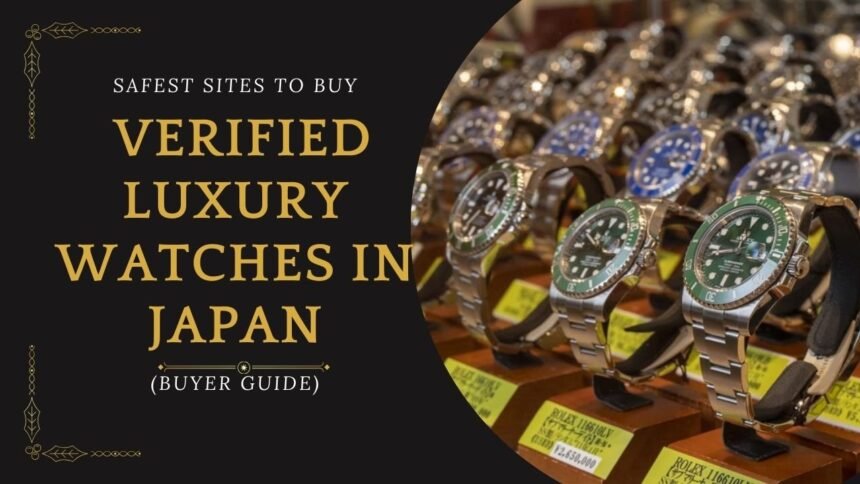
Japan has become one of the world’s most trusted hubs for acquiring authentic luxury watches, from contemporary steel sports models to rare vintage complications.
- Why Japan Is a Sanctuary for Luxury Watch Buyers
- How Japanese Retailers Authenticate Luxury Watches
- Safest Online Platforms for Verified Luxury Watches in Japan (2025)
- 1. Established Japanese Luxury Watch E‑Commerce Specialists
- 2. Premium Japanese Resale Platforms with Verification Services
- 3. Official Brand Boutiques and Authorized Dealers
- Best Tokyo Neighborhoods to Shop Luxury Watches Safely
- Ginza: The Flagship Heart of Haute Horlogerie
- Omotesando and Aoyama: Fashion-Forward Luxury
- Shibuya and Ikebukuro: High-Energy Resale and Hidden Gems
- Daikanyama and Nakameguro: Discreet Connoisseur Spaces
- Understanding Price, Demand, and Resale Value in 2025
- Tax-Free Shopping Rules for Luxury Watches in Japan
- Influencer Trends and Styling Insights in Tokyo
- Red Flags and Safe Buying Practices
- Conclusion
- FAQs
Discerning collectors are drawn to Japan not only for its impeccable retail standards, but also for the country’s deep cultural reverence for precision, craftsmanship, and meticulous care.
In 2025, the safest sites to buy verified luxury watches in Japan combine traditional omotenashi hospitality with modern authentication technology, creating a deeply reassuring environment for domestic and international buyers alike.
How Japanese Retailers Authenticate Luxury Watches
Before exploring the safest platforms and locations, it is essential to understand how Japanese retailers approach verification.
Leading boutiques and reputable resale shops typically implement multi-layered checks conducted by in-house experts and third-party watchmakers.
Multi-Point Inspection Standards
- Serial number verification against brand records where possible
- Movement inspection under magnification by trained horologists
- Case, dial, and hands analysis to detect refinishing or replacement parts
- Timing and power reserve testing on professional equipment
- Water resistance check (for models originally rated for water resistance)
Authentic luxury watch dealers in Japan treat mechanical timepieces with the same respect as fine art, documenting condition, originality, and service history with exceptional detail.
Documentation and Warranty Culture
Japanese buyers traditionally value completeness: box, warranty card, manuals, and service records. As a result, Japan’s pre-owned market is rich in “full set” pieces.
Trusted sites and boutiques often provide their own store warranty on top of brand documentation, further reinforcing buyer confidence.
Safest Online Platforms for Verified Luxury Watches in Japan (2025)
In 2025, the safest sites combine strict seller vetting, transparent condition grading, and buyer protection policies. While platforms evolve, several core categories remain consistently reliable for affluent buyers.
1. Established Japanese Luxury Watch E‑Commerce Specialists
Japan’s specialist watch retailers often operate both brick‑and‑mortar boutiques in Ginza or Shinjuku and highly curated online stores. These companies typically:

- List only in‑stock watches that have passed in‑house authentication
- Offer high-resolution, multi-angle photography with close-ups of dials, lugs, and movement (if visible)
- Provide condition rankings (often from N/10 to B/10) with explicit notes on polishing or dial aging
- Include clear return policies and store-backed warranties
For international buyers, these sites frequently support English-language assistance, international shipping, and guidance on tax-free procedures for in-person pickup.
2. Premium Japanese Resale Platforms with Verification Services
Japan’s luxury resale ecosystem is exceptionally mature. Leading online resale platforms centered around Shibuya and Ikebukuro offer curated watch selections, often tied to physical stores. The safest of these platforms:
- Employ in-house authentication teams with brand-specialized watchmakers
- Refuse consignment items that do not pass strict originality checks
- Photograph even small imperfections so collectors can judge condition accurately
- Provide certificates of authenticity or shop-issued inspection reports
Many affluent collectors in Tokyo begin their search online and finalize the purchase in-store for a final physical inspection, combining digital convenience with tangible assurance.
3. Official Brand Boutiques and Authorized Dealers
For buyers who prioritize absolute peace of mind and are focused on current collections, official brand sites and their authorized dealer networks remain the most straightforward option.
In Tokyo, many brand boutiques—particularly for Rolex, Patek Philippe, Audemars Piguet, Vacheron Constantin, and Cartier—offer online inquiries or reservation systems linked to their flagship stores in Ginza, Omotesando, and Marunouchi.
While stock may be limited for highly coveted references, purchasing through an official channel ensures comprehensive brand warranty, official after-sales service history from day one, and impeccable provenance.
Best Tokyo Neighborhoods to Shop Luxury Watches Safely
Tokyo’s distinct districts each cater to different watch-buying styles, from museum-like flagships to treasure-hunt resale corridors.
Ginza: The Flagship Heart of Haute Horlogerie
Ginza is the epicenter of official luxury watch retail in Tokyo. Here you will find multi-level brand boutiques for leading Swiss houses, refined multi-brand authorized dealers, and some of the city’s most respected pre-owned specialists. Streets are immaculate, staff are elegantly trained, and appointments are often recommended for serious acquisitions.
Omotesando and Aoyama: Fashion-Forward Luxury
Omotesando, with its tree-lined avenue and architectural flagships, attracts a younger, design-driven clientele. High fashion houses with in‑house watch lines—such as Dior, Chanel, and Hermès—maintain polished boutiques here, often alongside contemporary jewelry-watch selections. This area is ideal for those who view their watch as an extension of a curated wardrobe.
Shibuya and Ikebukuro: High-Energy Resale and Hidden Gems
Shibuya’s luxury resale streets and Ikebukuro’s dense shopping blocks house some of Tokyo’s most exciting pre-owned watch destinations. In these neighborhoods, you will find:

- Curated resale chains with strong online platforms and transparent grading
- Specialist dealers in vintage Rolex, Omega, and Seiko
- Occasional rare finds at competitive prices, due to Japan’s disciplined ownership culture
These districts are particularly favored by collectors seeking discontinued models, neo‑vintage pieces, and well-preserved daily wear watches at compelling value.
Daikanyama and Nakameguro: Discreet Connoisseur Spaces
For those who prefer privacy and editorial-level curation, Daikanyama and nearby Nakameguro offer discreet boutiques and appointment-only showrooms focusing on independent brands and artisanal watchmaking. Selection is smaller but deeply considered, appealing to connoisseurs who prioritize uniqueness and storytelling over logo recognition.
Understanding Price, Demand, and Resale Value in 2025
Japan’s luxury watch prices are shaped by brand retail pricing, currency fluctuations, global demand, and local tax regulations. In 2025, several themes define the landscape:
- Blue-chip steel sports models from top houses remain sought after, with waiting lists at official boutiques and strong resale premiums.
- Neo‑vintage and early 2000s references have gained recognition, as collectors appreciate transitional designs and accessible price points.
- High-end Japanese watchmaking—including Grand Seiko and artisanal independents—continues its global ascent, supported by strong domestic confidence.
Japan’s disciplined approach to care and servicing enhances long-term value. Many pre-owned watches in Tokyo appear significantly fresher than their age suggests, making the city a strategic destination for collectors considering future resale potential.
Tax-Free Shopping Rules for Luxury Watches in Japan
International travelers can benefit from Japan’s tax-free system when purchasing in-store from eligible retailers. While exact procedures may change, several key principles apply:
- Bring your physical passport; copies or digital images are not accepted.
- Tax-free is generally available to non-residents staying in Japan for less than six months.
- Eligible stores will process tax exemption at the point of purchase or at a dedicated in-store tax counter.
- The purchase may be recorded electronically, and in some cases, you may receive documentation that should remain with your passport until departure.
When browsing online sites of major retailers, look for clear indications of tax-free eligibility and international shipping terms. Many Tokyo boutiques allow you to reserve a piece online and complete a tax‑free purchase during an in-person visit.
Influencer Trends and Styling Insights in Tokyo
Tokyo’s style leaders effortlessly blend European horology with Japanese minimalism and street culture. Current 2025 trends include:
- Pairing classic steel sports watches with sharply tailored, monochrome looks in Ginza
- Wearing slim gold dress watches with clean, architectural pieces around Omotesando
- Mixing bold dive watches with elevated streetwear in Shibuya for a deliberate high–low contrast
For both men and women, the watch is treated as a personal signature rather than a mere accessory. Collectors often build small, purposeful collections—one refined dress piece, one versatile daily watch, and one statement model—rather than scattering across too many overlapping references.
Red Flags and Safe Buying Practices
Even in a market as careful as Japan, due diligence is essential. When buying online or in person, keep these points in mind:
Key Red Flags
- Vague or incomplete descriptions of condition, service history, or originality
- Low-resolution photos that avoid close-ups of dial, lugs, and caseback
- Reluctance to disclose whether parts have been replaced or polished
- Unclear return policy or absence of store-backed warranty
Safe Buying Checklist for 2025
- Prioritize retailers and sites with a physical presence in Tokyo’s established districts.
- Request additional photos or a video of the watch running, if buying online.
- Confirm warranty terms, including coverage for movement issues.
- For high-value pieces, consider independent verification by a respected Tokyo watchmaker.
- Keep all purchase documentation, especially if you may resell in the future.
Conclusion
Japan, and Tokyo in particular, offers one of the world’s most reassuring environments for acquiring luxury watches in 2025.
From flagship brand boutiques in Ginza and fashion-forward showrooms in Omotesando to expertly curated resale spaces in Shibuya, Ikebukuro, and Daikanyama, the ecosystem is built on precision, transparency, and respect for craftsmanship.
By choosing established sites with rigorous verification standards, understanding tax-free procedures, and applying a discerning eye to condition and documentation, collectors can secure exceptional timepieces that hold both emotional resonance and enduring value.
FAQs
Is it safe to buy pre-owned luxury watches online from Japan?
Yes, provided you use established Japanese retailers or reputable resale platforms with in-house authentication, clear condition grading, and transparent return policies. Many leading stores combine online listings with physical boutiques in Ginza, Shibuya, or Ikebukuro, allowing you to verify the watch in person if desired.
Do Japanese luxury watch shops provide international warranties?
Official brand boutiques and authorized dealers provide standard international brand warranties on new watches. Reputable pre-owned dealers often add their own store warranty, covering the movement for a defined period. Always confirm warranty scope and duration before purchase, especially if you live outside Japan.
Can I get tax-free benefits if I buy a watch online and pick it up in Tokyo?
Many major retailers allow you to reserve or pay online and complete the tax-free procedure when you collect the watch in-store, as long as you present your passport and meet residency conditions. Check the retailer’s specific policy in advance and ensure the in-store pickup occurs during your stay in Japan.