A practical comparison based on shopping mission, item-level evidence and branch-specific policies, not a universal winner.
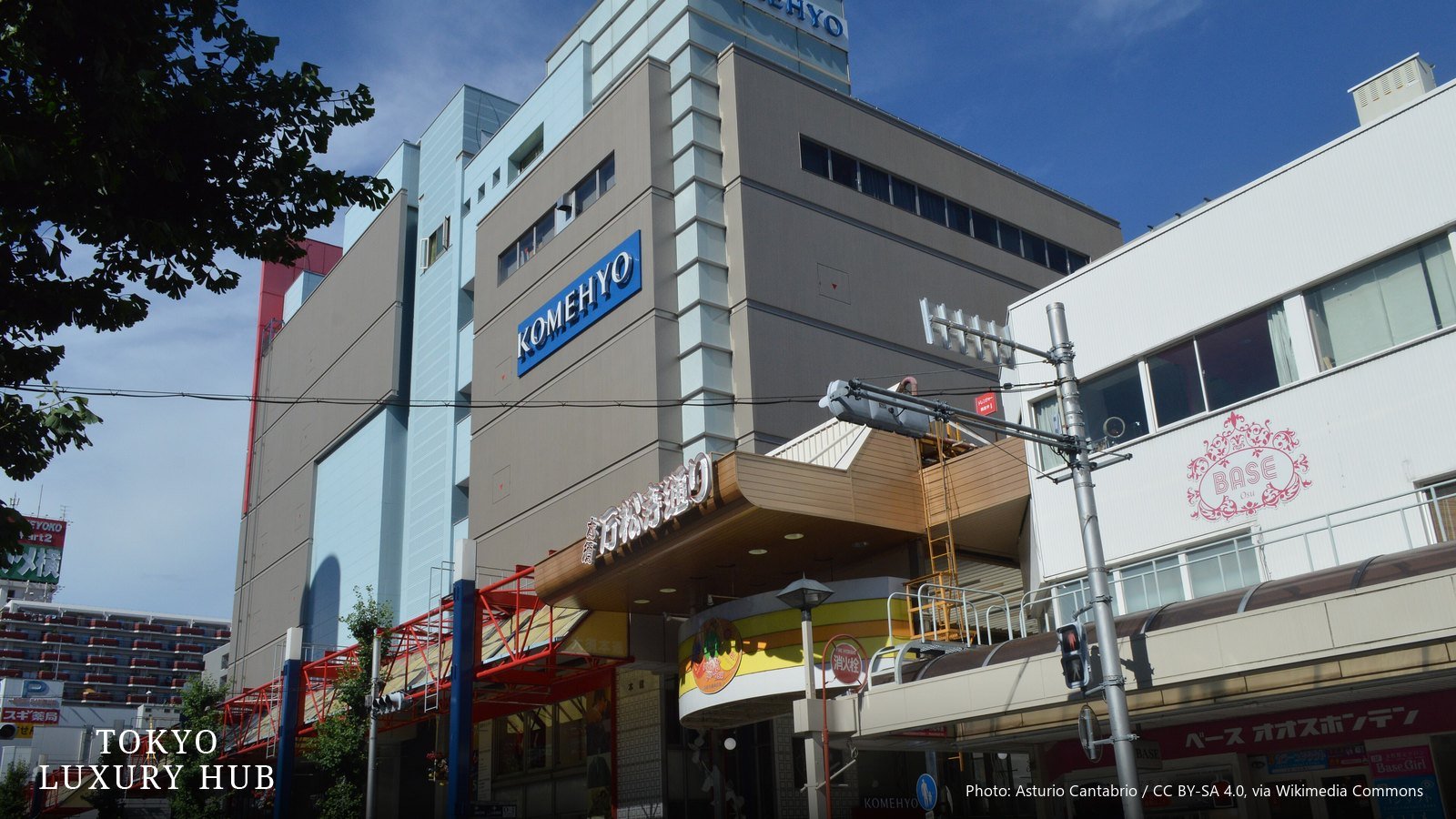
KOMEHYO vs Daikokuya vs BRAND OFF is best treated as an item-by-item comparison. KOMEHYO, Daikokuya and BRAND OFF are established names in Japan’s resale market, but choosing between them should depend on the item, branch and buying mission. Inventory changes constantly, so no chain is automatically cheapest or best for every brand.
Quick comparison
| Store | Best starting use | What to verify |
|---|---|---|
| KOMEHYO | Broad category comparison across bags, watches and jewellery | Branch inventory, item grade, warranty and return terms |
| Daikokuya | Comparing high-turnover branded goods and watches | Exact branch, condition notes, tax-free process and dealer warranty |
| BRAND OFF | Focused brand-bag and accessory browsing | Store-specific stock, inclusions, return terms and authenticity guarantee |
How to compare stores fairly
Choose one defined target, such as a Chanel medium Classic Flap in black caviar or a Rolex Submariner reference 126610LN. Then compare model, condition, year, accessories, repairs, warranty, tax treatment and total payment cost. Comparing different items by price alone produces a false winner.
Branch matters as much as chain
Tokyo branches can differ in floor space, category strength, languages, opening hours and current stock. Use official store locators on the day of your visit, and contact the branch when travelling for one specific item. Online inventory may be sold or transferred before arrival.
Questions to ask at every store
- What does this condition grade mean for this item?
- Which defects, repairs or replaced parts are documented?
- What written authenticity guarantee applies?
- What are the in-store and online return rules?
- Does this branch process tax-free sales for eligible visitors?
- Is the price tax-inclusive, and are card fees or limits relevant?
There is no permanent cheapest chain
Resale inventory is item-specific. One branch may have the best Chanel option today while another has the strongest watch value tomorrow. Use our Tokyo pre-owned store guide, condition-grade explainer and tax-free guide to compare the full transaction.
KOMEHYO vs Daikokuya vs BRAND OFF: seven factors
| Factor | How to compare | Common mistake |
|---|---|---|
| Inventory | Search the same brand, model and category on the same day | Judging a chain from one branch visit |
| Condition | Read item-level defects and inspect photographs | Treating grade labels as universal |
| Guarantee | Compare written scope and dispute remedy | Assuming “authenticated” has identical terms |
| Returns | Check channel, deadline, fees and exclusions | Assuming online and store purchases match |
| Warranty | For watches, compare duration, exclusions and location | Confusing a dealer warranty with brand coverage |
| Tax and payment | Confirm eligibility, tax display, conversion and card rules | Comparing sticker prices only |
| Convenience | Map branches, stock, language support and collection options | Spending travel time without confirming inventory |
Choose the chain by shopping mission
Begin with your objective. A broad first visit is useful when you are still comparing bags, watches and jewellery across brands. A model-specific trip requires checking live inventory and contacting the exact branch. A value-focused purchase requires several comparable items, not simply three store names. The best starting chain is therefore the one that reduces uncertainty for your current mission.
KOMEHYO can be a practical starting point for broad category research. Daikokuya can be useful when comparing fast-moving branded goods and watches. BRAND OFF can be useful for focused browsing of bags and accessories. These are starting hypotheses, not permanent rankings. Stock, staffing, branch scale and individual item quality change.
Build a fair comparison sheet
Create one row for each candidate item. Record the exact model or reference, size, material, colour, production context, stated condition, visible defects, repairs, accessories, guarantee, return terms, tax treatment and final payment cost. For watches, add service history, replaced parts, timekeeping evidence, water-resistance evidence and warranty scope.
Photograph condition labels and disclosed flaws with permission. Save online listings before visiting because stock and descriptions may change. When two items have different specifications, do not force a direct price conclusion. Note the difference and decide whether it adds value for your intended use.
Test the guarantee, not just the reputation
All three businesses are established resale names, but the useful buyer question is what the written terms say for the particular transaction. Ask what remedy applies if authenticity is disputed, which evidence is required, whether there is a time limit, and whether the item must be returned to a particular branch. For watches, ask who performs warranty work and what costs are excluded.
Return rights can differ between online orders and purchases completed after inspecting an item in store. Tax-free handling can also affect cancellation or refund procedures. Read the terms before payment and keep the invoice, listing, photographs and written answers.
Plan an efficient Tokyo route
Group branches by area and place your highest-priority confirmed item first. Ginza, Shinjuku and other major shopping areas can support multi-store comparisons, but travel time, crowds and opening hours matter. Check the official locator on the day of travel. Contact the branch when a specific item justifies the trip, and ask whether it can be held and under what conditions.
Allow time to inspect under neutral light and to calculate the full price. Do not schedule a high-value purchase immediately before an airport departure. A rushed decision weakens inspection, payment and documentation checks.
Frequently asked questions
Which chain is cheapest?
There is no durable chain-wide answer. Resale prices are item-specific and reflect model, condition, demand, inclusions and branch inventory. Compare matched items on the same date.
Which chain is safest?
Safety depends on the exact item, evidence, written guarantee, return terms and payment records. An established name is useful, but it does not replace transaction-level checks.
Can I rely on condition grades?
Use grades as filters, not conclusions. Each seller defines and applies its system. Read the defects and inspect the item.
A practical winner-selection rule
Choose the store offering the best documented item for your use at a defensible total cost, with a guarantee and return position you understand. If the evidence is incomplete, compare another item or branch instead of treating urgency as proof of value.


