



Tokyo: The Capital of Smart Luxury
Tokyo has quietly become one of the world’s most refined destinations for luxury consignment. In a city where respect for craftsmanship, meticulous care, and long-term value is woven into everyday life, pre-owned designer fashion is not a compromise—it is a cultivated choice.
From Ginza’s polished avenues to the discreet resale boutiques near Shibuya and Omotesando, Tokyo offers unparalleled opportunities for budget-smart luxury shoppers, collectors, and style connoisseurs.
Why High-End Consignment Thrives in Japan
Japanese shopping culture is defined by precision, discretion, and reverence for quality. Many local customers treat their luxury items as investments: stored carefully, cleaned regularly, and often kept in near-pristine condition with full sets of boxes, dust bags, and receipts.
When these pieces enter the resale market, the result is a selection of pre-owned items that often look and feel almost new.
For international buyers, this creates an extraordinary opportunity: the ability to acquire coveted pieces from brands such as Hermès, Chanel, Louis Vuitton, Dior, and Rolex at more accessible prices, while maintaining confidence in authenticity and condition standards that are among the strictest in the world.
Understanding the Luxury Resale Landscape in Tokyo
Tokyo’s consignment ecosystem ranges from immaculate flagship resale houses with museum-like displays to small, highly curated boutiques that feel like private showrooms. Common threads include:
- Rigorous authentication backed by trained appraisers and multi-step checks
- Transparent grading of condition, from “unused” or “like new” to “gently used”
- Fast rotation of inventory, with rare and limited-edition pieces appearing frequently
- Respectful service that favors quiet luxury over aggressive sales tactics
Ginza: Polished Resale for Classic Collectors
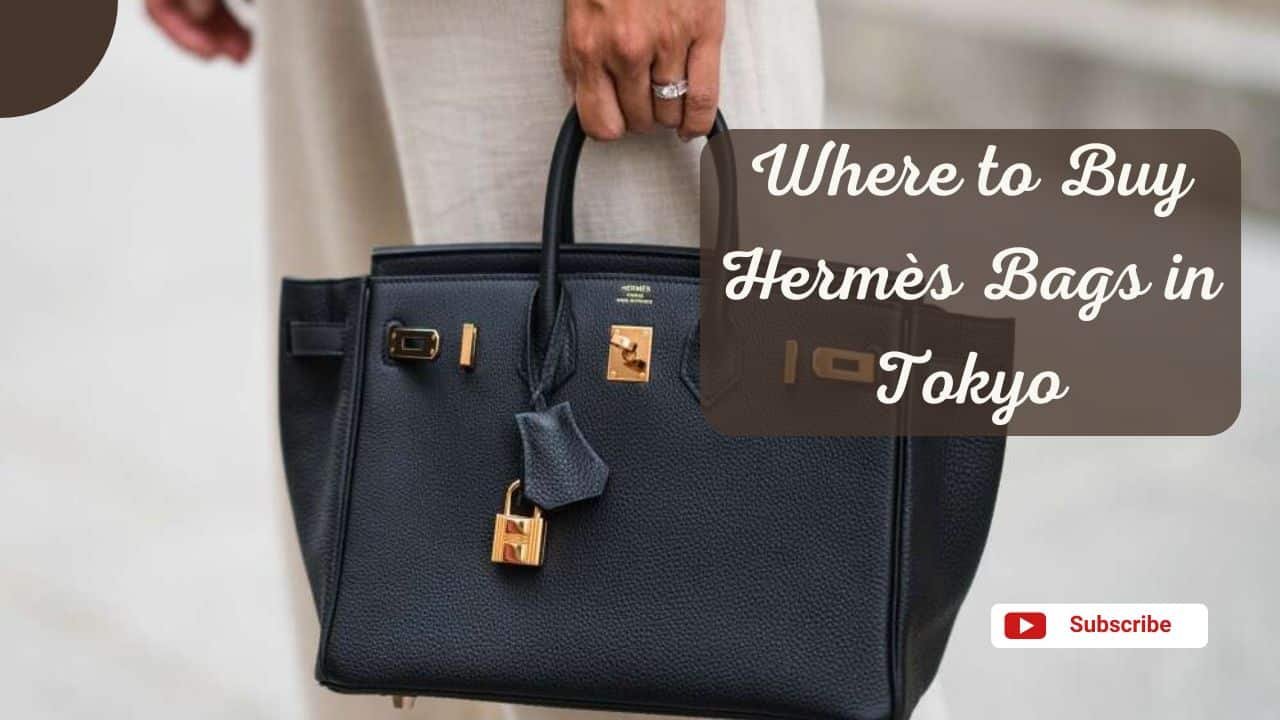
Ginza, Tokyo’s historic luxury quarter, is best known for its gleaming flagship boutiques, but its side streets hide some of the city’s most refined consignment destinations. For the collector in search of investment-grade pieces, Ginza is where you will often find immaculate Hermès Birkins and Kellys, vintage Chanel flap bags with buttery caviar leather, and impeccably maintained Rolex and Patek Philippe timepieces.
Stores here typically emphasize:
- Classic icons over fleeting trends
- Premium condition standards suited to investors and serious collectors
- Discreet buying experiences with private consultation spaces
“In Ginza, pre-owned does not feel ‘second-hand’—it feels curated, archival, and timeless, like acquiring a piece of a brand’s living history.”
Omotesando & Aoyama: Trend-Focused Luxury Resale
Omotesando and neighboring Aoyama offer a different flavor of high-end consignment. The tree-lined avenue—Tokyo’s answer to the Champs-Élysées—hosts major brand boutiques from Dior, Loewe, and Gucci. Just off the main street, curated consignment shops specialize in fashion-forward, runway-driven pieces.
Expect to find:
- Current-season and recent runway looks, often from Japanese and European influencers’ favorite labels
- Avant-garde pieces from Comme des Garçons, Yohji Yamamoto, and Issey Miyake, alongside global luxury houses
- Elevated street-luxury from brands like Balenciaga, Off-White, and Saint Laurent
For style enthusiasts who follow influencer trends and Instagram-driven looks, Omotesando’s consignment scene delivers cachet with greater financial intelligence.
Shibuya’s Luxury Resale Streets: Youthful, Dynamic, and Global
Shibuya, traditionally associated with youth culture, is now a hotbed of luxury resale energy. Around Shibuya Station and on the backstreets leading toward Harajuku, you will find consignment stores that blend high-end designer, archival streetwear, and cult sneakers.
These shops attract a younger, global clientele that moves seamlessly between a vintage Chanel jacket, an Hermès scarf, and rare Nike collaborations. The atmosphere is more relaxed but the standards remain distinctly Japanese: organized racks, clear labeling, and thorough authentication.
Many international shoppers begin their resale journey here, drawn by:
- Accessibly priced statement pieces from luxury brands
- Mix-and-match styling potential for both classic and streetwear wardrobes
- Frequent limited drops of coveted bags, sneakers, and accessories
Ikebukuro & Daikanyama: Discreet Destinations for Connoisseurs
Ikebukuro, a major commercial hub, and Daikanyama, a calm, design-driven neighborhood, also house noteworthy consignment addresses for those willing to explore beyond the obvious.
In Ikebukuro, larger-format shops and department store–linked resale corners often provide strong value on everyday luxury: work-ready tote bags, small leather goods, and classic watches suitable for office wear. Selection tends to be broad, making it ideal for first-time buyers seeking a reliable, gently priced introduction to luxury.
By contrast, Daikanyama caters more to the connoisseur. Its boutiques lean into carefully edited racks of designer ready-to-wear, rare accessories, and niche European labels. The experience feels quieter and more intimate, with staff offering styling suggestions that align with a refined, minimalist aesthetic.
How Tokyo Shops Authenticate: Confidence for the Buyer
One of the foremost advantages of purchasing consignment in Tokyo is the city’s rigorous approach to authenticity. High-end stores typically employ multiple layers of verification:
- Specialist appraisers trained in specific categories such as bags, watches, or jewelry
- Serial number and stamp checks cross-referenced with in-house databases
- Material analysis including leather grain, stitching density, and hardware finishing
- Documentation review for receipts, certificates, and original packaging
For Tokyo buyers—both local and international—this system minimizes risk and establishes consignment as a respectable, mainstream channel rather than a fringe alternative.
Price Evolution, Demand, and Resale Value
Luxury consignment in Tokyo mirrors global market dynamics, but with a distinctly measured tone. Certain categories consistently retain strong value:
- Hermès bags such as Birkin, Kelly, and Constance maintain resilient resale performance, particularly in neutral tones and classic sizes.
- Chanel flap bags and Classic Boy bags often appreciate over time as retail prices rise and waitlists lengthen.
- High-end watches from Rolex, Patek Philippe, and Audemars Piguet remain in demand, especially in well-documented, original condition.
Budget-smart luxury shoppers use these trends strategically—prioritizing pieces with proven long-term desirability and avoiding short-lived novelties. While price points fluctuate with global demand and currency shifts, Tokyo’s market is known for fair, data-driven pricing backed by transparent condition grading.
Tax-Free Shopping: Maximizing Value as an International Visitor
International visitors can further optimize their consignment purchases by leveraging Japan’s tax-free shopping system. Most large, reputable consignment stores participate in tax-free programs for eligible tourists.
General guidelines include:
- Presenting your passport at the time of purchase
- Meeting minimum spend thresholds, which can often be achieved easily with a single high-end item
- Purchasing items for personal use to comply with tax regulations
For significant acquisitions—a Chanel classic flap, an Hermès Garden Party, or a fine watch—the tax-free benefit can represent meaningful savings, making Tokyo one of the most financially sound locations to buy pre-owned luxury.
Style and Shopping Strategies for Budget-Smart Luxury Shoppers
To navigate Tokyo’s high-end consignment scene with clarity and confidence, consider the following strategies:
- Define your priorities: Decide whether you are hunting for an everyday work bag, a weekend statement piece, or a long-term collectible.
- Study brand signatures: Familiarize yourself with correct logos, stitching patterns, lining materials, and date codes for your target brands before arriving.
- Visit multiple districts: Combine Ginza for heritage icons, Omotesando for fashion-forward edits, and Shibuya for youth-inflected luxury to gain a complete picture.
- Inspect condition carefully: Look at corners, handles, hardware, and interior lining; Japanese sellers are transparent, but a discerning eye ensures your standards are met.
- Balance trend and timelessness: Purchase at least one enduring classic to anchor your wardrobe, then experiment with directional pieces from Tokyo’s more avant-garde selections.
Red Flags and Buying Advice
Even in a highly trustworthy market like Tokyo, thoughtful caution is essential—especially for significant investments.
- Avoid unverified sellers in informal settings when shopping for high-value items. Prioritize established consignment houses and boutiques.
- Be wary of unusually steep discounts on in-demand items that rarely drop far below market value.
- Check return and repair policies before finalizing your purchase, particularly for watches and fine jewelry.
- Confirm included accessories such as dust bags, boxes, and authenticity cards; a complete set may enhance future resale potential.
Conclusion
Tokyo’s high-end consignment stores offer more than savvy pricing; they embody a refined philosophy of luxury—one that honors craftsmanship, extends the life of exquisite objects, and encourages thoughtful consumption. Whether you are a seasoned collector searching Ginza for a rare Hermès, a fashion enthusiast combing Omotesando for runway treasures, or a first-time buyer exploring Shibuya, Ikebukuro, or Daikanyama, the city rewards those who combine curiosity with discernment.
In Tokyo, pre-owned luxury is not about compromise. It is about alignment: aligning your wardrobe with your values, your budget with your aspirations, and your personal narrative with pieces that carry stories, heritage, and enduring style.
FAQs
Is it safe to buy luxury consignment items in Tokyo?
Yes. Reputable consignment stores in Tokyo are known for stringent authentication processes, clear condition grading, and professional staff. By choosing established boutiques—especially in areas like Ginza, Omotesando, and central Shibuya—you significantly reduce risk and can shop with confidence.
Which Tokyo area is best for first-time luxury resale shoppers?
Shibuya and Ikebukuro are excellent starting points due to their broad selection and approachable price ranges. Once you understand your preferences and target brands, exploring Ginza for investment-grade classics and Omotesando or Daikanyama for more curated, fashion-forward pieces will deepen your experience.
Can I get tax-free benefits on pre-owned luxury purchases in Tokyo?
Many major consignment stores offer tax-free shopping for eligible international visitors, provided you meet minimum spend requirements and present your passport at checkout. Always confirm tax-free eligibility at the store before purchasing, especially for higher-value items.