



Louis Vuitton and Japan: A Longstanding Love Affair
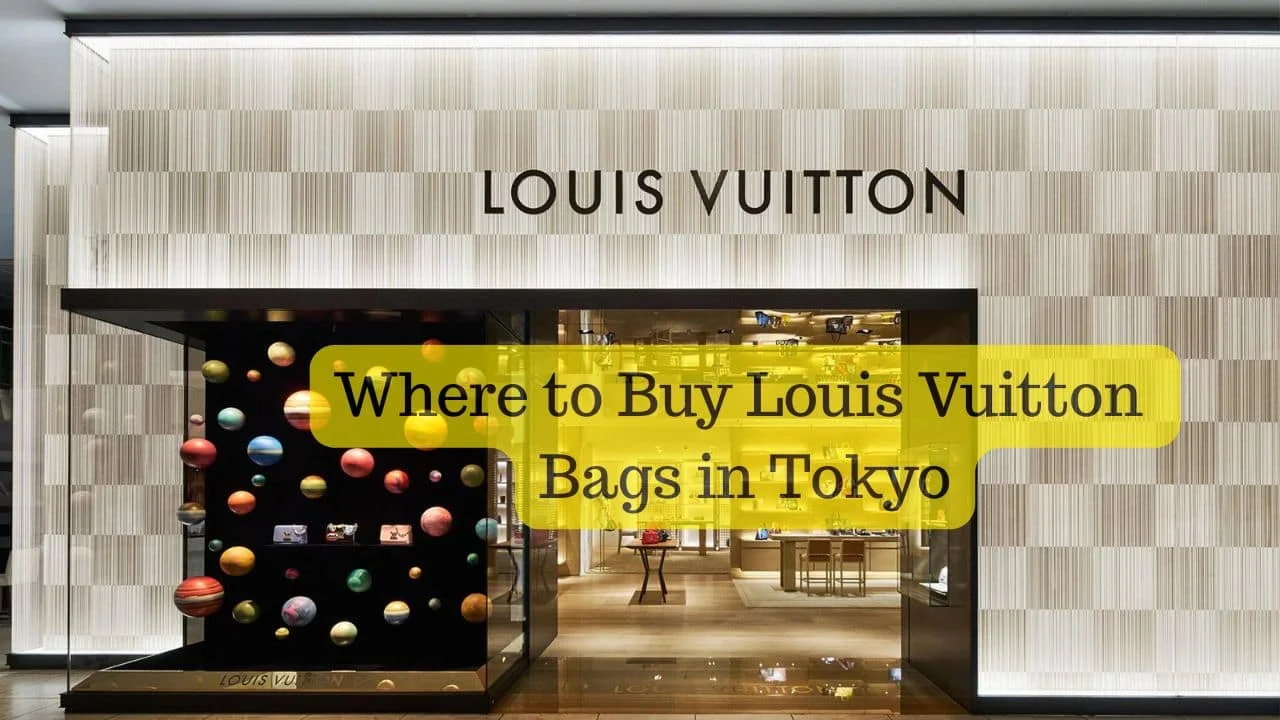
Few luxury maisons have cultivated a relationship with Japan as deeply and consistently as Louis Vuitton. From early travel trunks arriving in Yokohama to the spectacular flagship boutique in Ginza Namiki-dori, the brand has treated Japan not simply as a market, but as a creative muse.
This affinity has produced a series of Japan-only and Japan-first collections that have become legends among collectors worldwide.
For discerning buyers in Tokyo, these limited launches are more than souvenirs; they are investment-grade assets. Japan-exclusive Louis Vuitton pieces combine highly controlled supply, meticulous craftsmanship, and unique cultural storytelling—elements that drive long-term desirability in both domestic and global resale markets.
What Makes a Japan-Only LV Piece Investment-Worthy?
Not every limited item becomes a future grail. Tokyo’s most sophisticated collectors consider several criteria before declaring a Japan-only Louis Vuitton piece a “buy” rather than a “pass.”
- Cultural resonance: Motifs inspired by Japanese art, architecture, or pop culture often age beautifully and remain relevant.
- Controlled distribution: Items sold only through select Louis Vuitton boutiques in Ginza, Omotesando, or limited pop-ups tend to retain value.
- Craftsmanship elevation: Special materials, unique colorways, and Japan-exclusive detailing (lining, hardware, monogram variations) enhance collectability.
- Cross-category appeal: Ready-to-wear, leather goods, and accessories that complement each other often support a stronger resale ecosystem.
- Archival interest: Collaborations with noted Japanese artists, architects, or designers gain museum-level significance over time.
“In Tokyo, the strongest Louis Vuitton investments are those that tell a distinctively Japanese story while remaining unmistakably Vuitton.”
Iconic Japan-Only Collaborations: The Clear “Buy” Signals
Murakami Legacy Pieces (Early 2000s Reissues & Japan Market Darlings)
While Takashi Murakami’s iconic Monogram Multicolore and Cherry Blossom collections were global sensations, the Japanese market received highly coveted store-specific releases and color allocations. Select pieces that resurfaced through special events or re-editions in Japan have emerged as core targets for serious collectors.
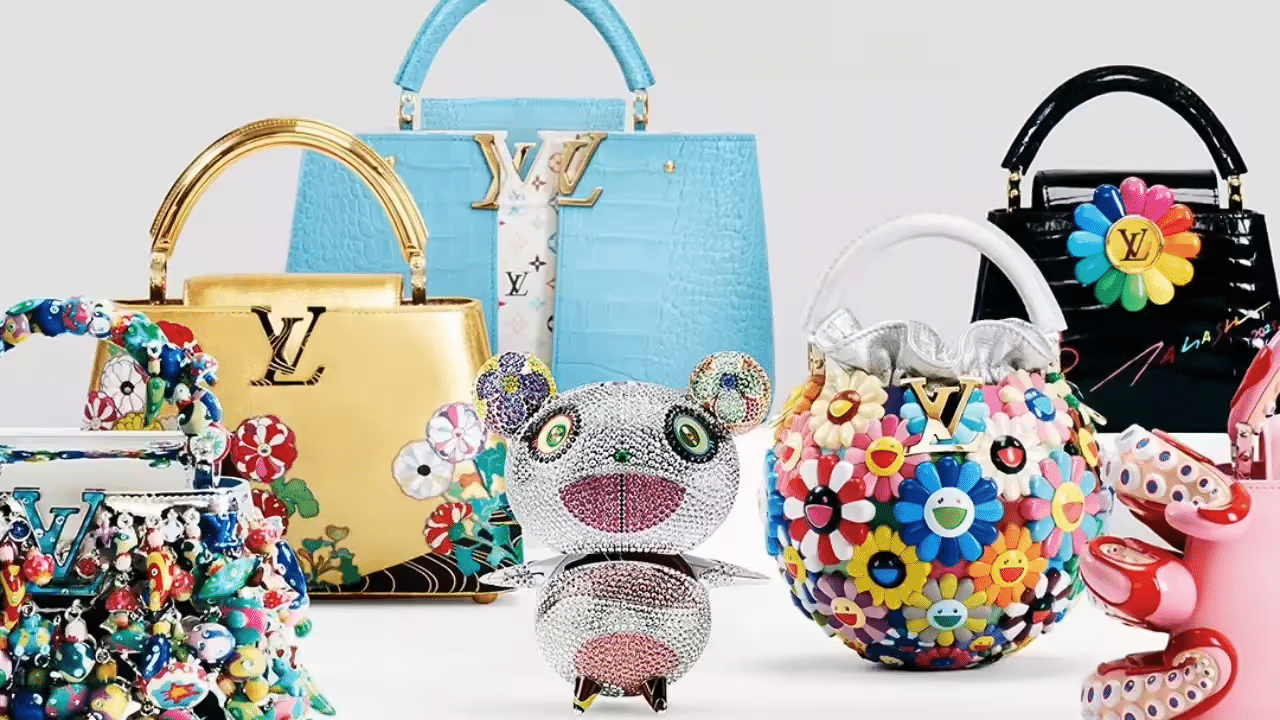
Significance lies in the fusion of pop art and monogram heritage, a combination that continues to captivate younger buyers on the streets of Shibuya and Harajuku. Classic silhouettes such as the Speedy, Papillon, and Pochette with Murakami detailing, especially Japan-preferred colorways, demonstrate resilient demand in Tokyo’s luxury resale circuit.
Yayoi Kusama x Louis Vuitton: Japan-Biased Colorways and Store Exclusives
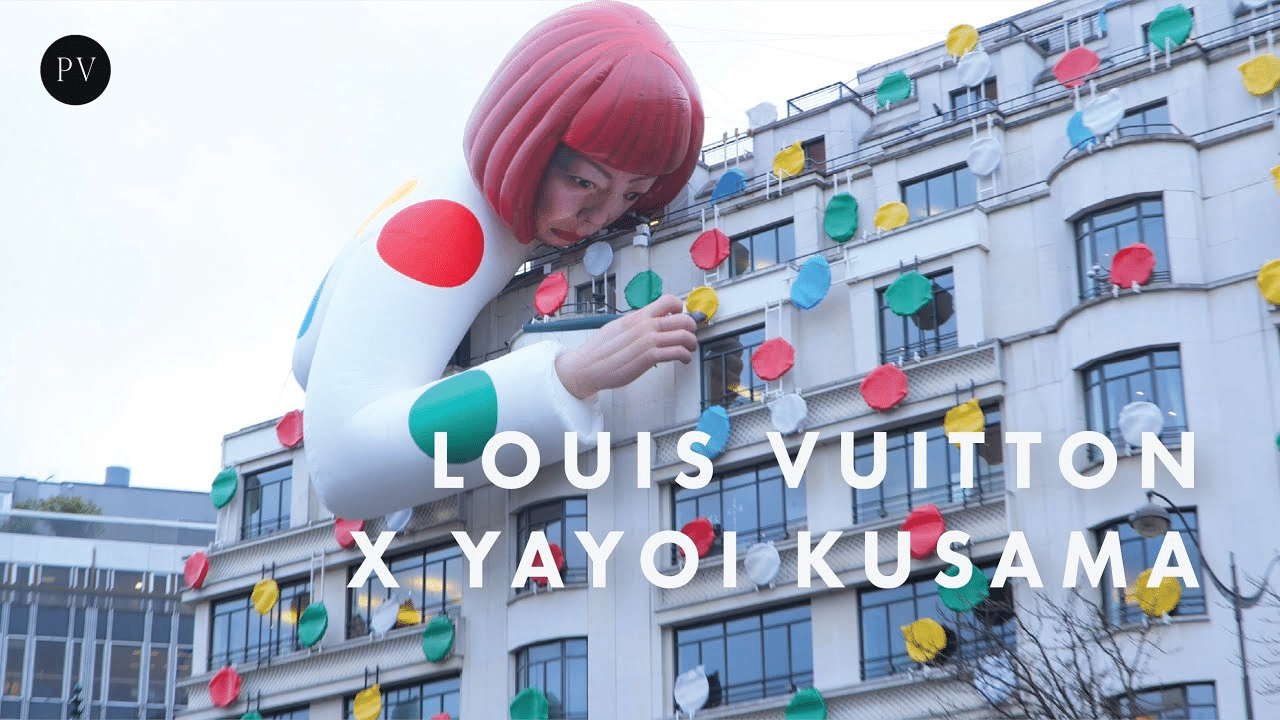
The renewed Yayoi Kusama collaboration reaffirmed Tokyo’s importance in Louis Vuitton’s creative universe. While the collection was global, Japan enjoyed enhanced allocations, in-boutique exclusives, and campaign activations at flagship stores such as Louis Vuitton Ginza Namiki and Shinjuku.
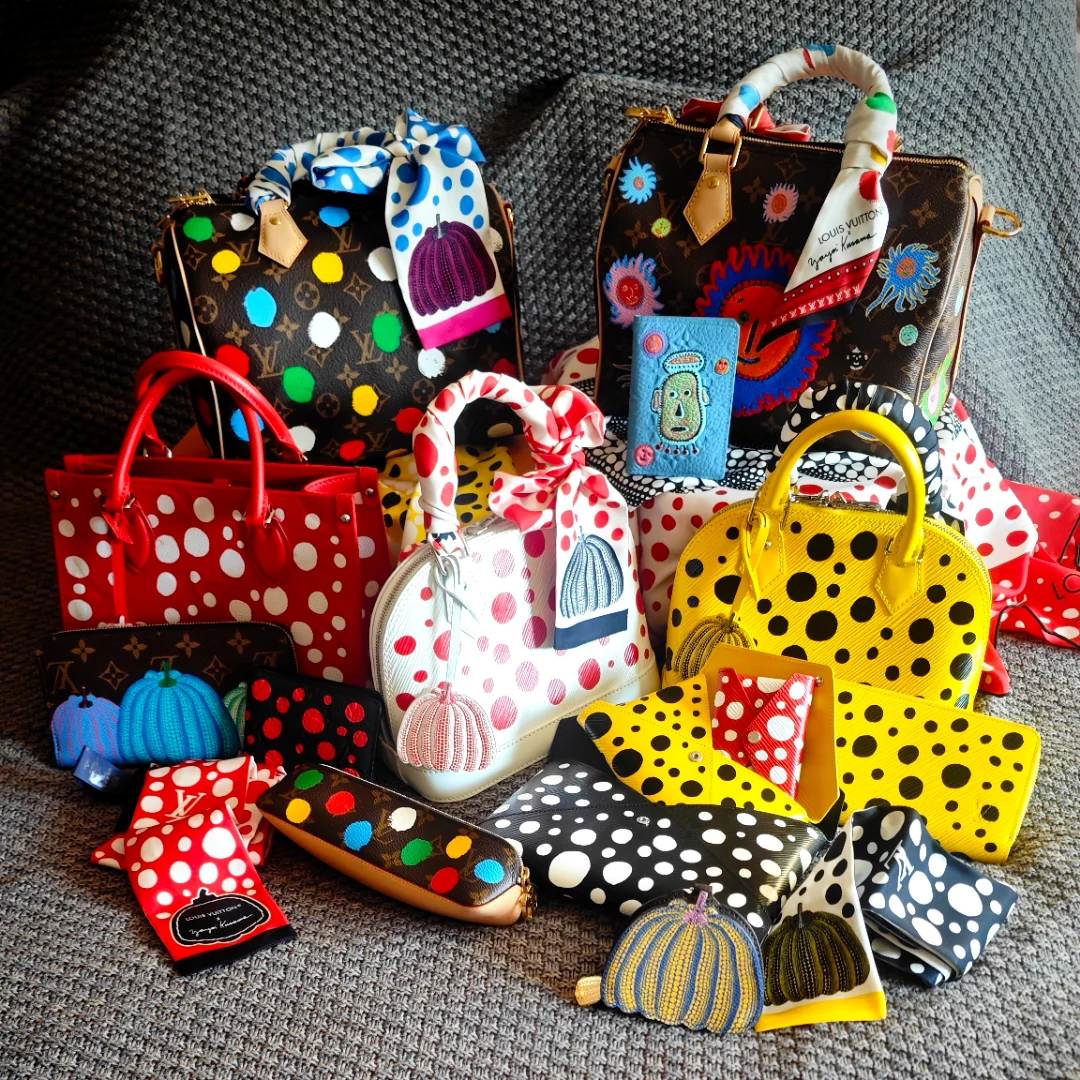
Pieces featuring classic Monogram with polka dot overlays, especially in nuanced hues favored by Japanese clientele, show strong resale traction. Scarves, Alma bags, and Capucines with Kusama motifs from Japan stores are increasingly positioned as long-term keepsakes rather than quick flips—particularly when paired with full sets of packaging, limited-edition shopping bags, and event ephemera.
Tokyo’s Boutique-Exclusive Gems
Ginza-Only Colorways and Mini Bags
Ginza remains the epicenter of refined luxury in Tokyo. Limited colorways and micro-silhouettes, released quietly at Louis Vuitton Ginza boutiques, are often overlooked by casual shoppers but aggressively sought by collectors. Pearlescent leathers, muted pastels tailored to Japanese tastes, and subtle hardware variations distinguish these pieces from global equivalents.
Fashion-forward buyers gravitate toward compact crossbodies and mini top-handle styles, which align with the elegant yet efficient urban wardrobe seen in Ginza and Marunouchi. These bags photograph beautifully for social media while retaining an understated luxury aura—ideal conditions for steady long-term demand.
Omotesando Architectural Editions
Louis Vuitton Omotesando’s striking façade has inspired architecture-influenced pieces that lean into structured shapes and experimental materials. Occasional boutique-specific launches, such as limited leather goods echoing the store’s glass and metal geometry, appeal strongly to design-minded collectors.
These pieces are not always loudly branded as “Japan-only,” but informed local buyers and global Louis Vuitton forums quickly identify them. Their strength lies in their timeless minimalist appeal and direct link to one of the most photographed LV façades in the world.
Where Japan-Only LV Shines on the Resale Market
Shibuya and Harajuku: The Pulse of Youthful Luxury Resale
A short walk from Shibuya Crossing reveals a new generation of resale boutiques that treat Louis Vuitton as both heritage and streetwear. Japan-only pieces—especially collaborations with Japanese artists and playful small leather goods—circulate rapidly here. Influencers on Cat Street and Harajuku often style compact LV bags with sneakers and elevated street tailoring, fueling global demand via social media.
Daikanyama and Nakameguro: Curated Collectors’ Corners
In Daikanyama and Nakameguro, tastefully edited luxury resale shops focus on condition, rarity, and provenance. Japan-only Louis Vuitton items appear here less frequently but in superior condition, often accompanied by receipts from Ginza or Omotesando. These curated spaces are favored by international collectors who value a quieter, more considered buying environment.
Ikebukuro and Suburban Hubs
Ikebukuro’s retail landscape blends flagship department stores with accessible secondhand shops. For patient buyers, this area can reveal underpriced Japan-specific SLGs, scarves, and accessories that have not yet been fully recognized by global resellers. Knowledgeable shoppers who understand the nuances of date codes, hardware, and material variations can secure excellent long-term investments.
Shopping Strategy: Authenticating and Maximizing Value in Tokyo
How Japanese Buyers Authenticate
Japanese shopping culture places high value on integrity and detail. Serious LV collectors in Tokyo rely on:
- Official boutiques in Ginza, Omotesando, Shinjuku, and Nihonbashi for new releases and verifiable Japan-only drops.
- Reputable department store counters where staff are rigorously trained and inventory comes directly from the maison.
- Trusted resale chains and specialist stores that employ in-house authenticators skilled in date codes, stitching, heat stamps, hardware fonts, and leather aging.
Many experienced buyers cross-reference new acquisitions with previously owned authentic items, paying close attention to canvas texture, alignment of monogram patterns, and the precision of glazing.
Tax-Free Shopping Tips for Overseas Buyers
Non-resident visitors to Japan can take advantage of tax-free shopping on eligible Louis Vuitton purchases above a certain threshold when buying from official boutiques and participating department stores. To optimize the experience:
- Bring your physical passport; digital copies are not accepted for tax-free processing.
- Complete paperwork at the time of purchase; retroactive tax-free claims are not permitted.
- Store receipts, tax-free forms, and original packaging carefully—the complete set enhances future resale value.
This combination of tax exemption and access to Japan-only releases makes Tokyo especially attractive to global LV collectors.
Style & Investment: How to Wear Japan-Exclusive LV Now
Japan-only Louis Vuitton pieces are most powerful when worn with intention. In Ginza, understated tailoring in charcoal or navy provides a quiet backdrop for a bold Kusama or Murakami bag. In Omotesando, minimalist monochrome outfits highlight architectural, boutique-inspired editions. Around Shibuya, pairing a compact LV crossbody with refined sneakers and clean denim reflects Tokyo’s elevated street sensibility.
From an investment standpoint, maintaining pristine condition is vital. Rotate your pieces, avoid overstuffing bags, and store them in dust bags away from direct sunlight. Many Tokyo collectors retain boutique-exclusive boxes and shopping bags, which can significantly increase desirability when reselling to fellow aficionados.
Red Flags and When to Pass
Even in a market as meticulous as Japan, caution remains essential. Consider passing when:
- The item shows heavy corner wear, cracked glazing, or uneven patina that diminishes structural integrity.
- Provenance is unclear, with missing receipt, box, or confusing purchase story.
- The design feels overly trend-driven without deeper cultural or archival significance.
In the luxury ecosystem of Tokyo, discipline is as important as desire. The most successful collectors are those who wait for pieces that marry aesthetic appeal, craft excellence, and long-term value potential.
Conclusion
Japan-only Louis Vuitton collections occupy a unique space where culture, craftsmanship, and scarcity intersect. In Tokyo—whether strolling through Ginza’s polished avenues, Omotesando’s architectural showcase, or Shibuya’s energetic resale streets—collectors encounter pieces that cannot be replicated elsewhere. For those willing to study the market, understand Japan’s deep relationship with the maison, and shop with precision, these exclusives can become both style-defining companions and enduring investments.
FAQs
Are all Japan-only Louis Vuitton items good investments?
No. While many Japan-focused releases hold appeal, only those with strong storytelling, limited distribution, high-quality materials, and sustained demand tend to perform well over time. Researching historical collaborations and consulting knowledgeable Tokyo resale specialists can help identify the most promising pieces.
Where in Tokyo is the best place to find rare Japan-exclusive LV on the resale market?
For curated, high-condition pieces, explore Daikanyama, Nakameguro, and select boutiques in Omotesando. For faster-moving, trend-driven items, Shibuya and Harajuku offer a dynamic mix. Ikebukuro and other suburban hubs can yield hidden gems for buyers with a trained eye.
How important is original packaging for the resale value of Japan-only LV?
Original packaging—including dust bag, box, shopping bag (especially limited campaign versions), and receipts—adds notable value, particularly for Japan-only collaborations and boutique exclusives. Serious collectors in Tokyo often prioritize full-set items, viewing them as more secure, museum-worthy acquisitions.