



Where to Buy Louis Vuitton Bags in Tokyo: A Definitive Guide to the World’s Most Compelling Luxury Market
Tokyo has quietly cemented its position as the most sophisticated luxury retail destination on earth. Not louder than Paris, not more ostentatious than Dubai, but more deliberate, more curated, and more rewarding for the discerning buyer who understands what makes a purchase exceptional. For those seeking to acquire Louis Vuitton in a city that elevates the act of buying into something approaching ritual, the question of where to buy Louis Vuitton bags in Tokyo deserves a thoughtful, well-informed answer.
The Japanese capital offers a concentration of Louis Vuitton boutiques unmatched by any other city globally, each with its own architectural identity, product allocation, and clientele. But beyond sheer availability, Tokyo presents a unique convergence of factors — favorable pricing dynamics, Japan-exclusive editions, impeccable retail service, and a secondary market of extraordinary depth — that together create an ecosystem unlike anything available in New York, London, or even the Maison’s home city of Paris.
Understanding this ecosystem requires more than a list of addresses. It demands an appreciation of how Tokyo’s luxury culture has evolved, why international collectors increasingly look eastward, and what distinguishes a considered acquisition from a mere transaction.
The Architecture of Desire: Louis Vuitton’s Flagship Presence in Tokyo
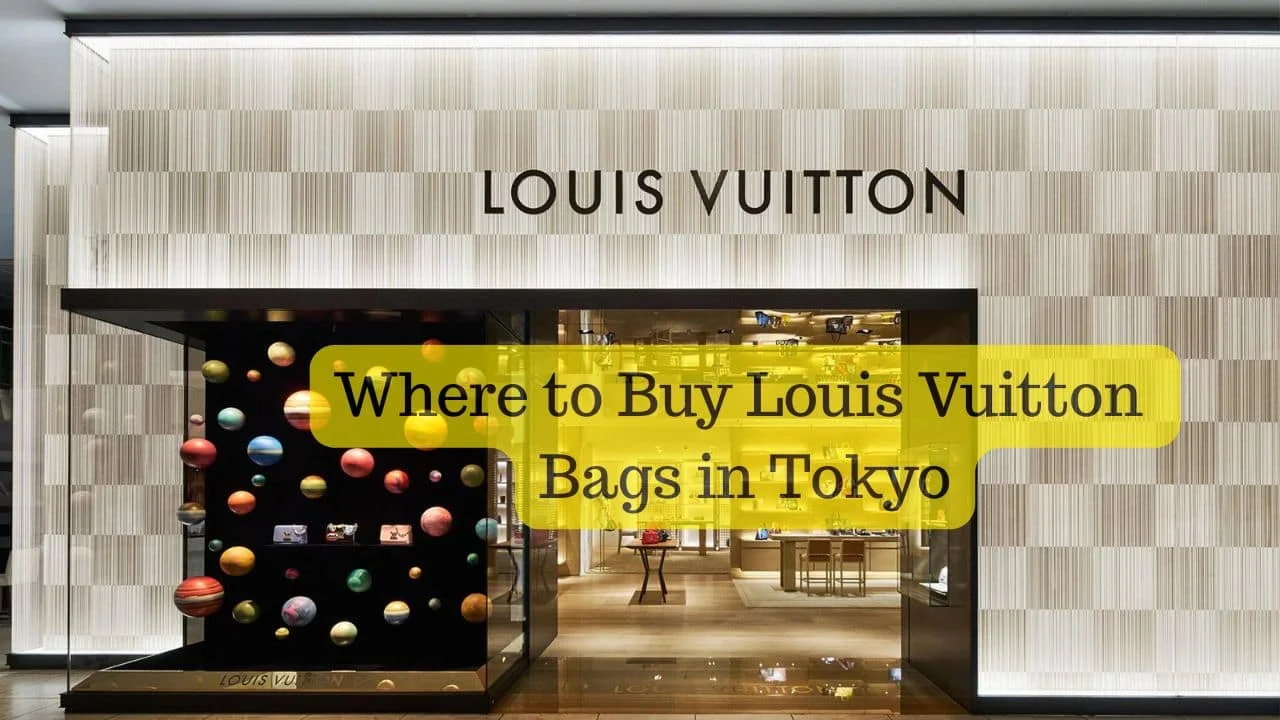
Louis Vuitton’s commitment to Tokyo is expressed most visibly through its flagship locations, each conceived not merely as retail spaces but as architectural statements that reflect the Maison’s evolving relationship with Japanese culture. The Louis Vuitton Ginza Namiki boutique, redesigned by Jun Aoki and Peter Marino, stands as a luminous ripple of glass and metal along one of the world’s most storied shopping corridors. It is both a destination and a declaration — the kind of space where the act of selecting a Capucines or a Speedy becomes an immersive experience.
Equally compelling is the Louis Vuitton Omotesando flagship, situated along Tokyo’s most architecturally ambitious retail avenue. Here, the intersection of fashion and design culture creates an atmosphere that appeals to collectors who value context as much as product. The Shinjuku and Roppongi Hills locations serve different but equally significant roles, offering accessibility without sacrificing the sense of occasion that defines Louis Vuitton’s retail philosophy in Japan.
Department Store Concessions: A Distinctly Japanese Advantage
Beyond standalone boutiques, Louis Vuitton maintains a strong presence within Tokyo’s premier department stores — Isetan Shinjuku, Takashimaya Nihonbashi, and Mitsukoshi Ginza among them. These concessions offer a particular advantage for international buyers: the integration of department store loyalty programs, tax-free processing, and occasionally, access to stock allocations that differ from those found in standalone locations. For seasoned collectors, visiting multiple points of sale within a single city is not redundancy — it is strategy.
Japan-Exclusive Editions and Limited Allocations
One of the most compelling reasons to purchase Louis Vuitton in Tokyo is the availability of Japan-exclusive products. The Maison has a long history of creating items specifically for the Japanese market, from limited colorways to collaborative capsules that never reach European or American shelves. These pieces carry an inherent scarcity premium and have demonstrated strong appreciation on the secondary market over time.
Additionally, Tokyo boutiques often receive allocations of globally limited pieces that reflect Japan’s status as Louis Vuitton’s most important market in Asia-Pacific. The probability of encountering a sought-after Keepall collaboration, a seasonal Twist iteration, or an artist-series Neverfull is meaningfully higher in Tokyo than in most other cities, provided one knows where and when to look.
Where to Buy Louis Vuitton Bags in Tokyo: Pricing, Tax, and the Currency Advantage
Pricing dynamics in Tokyo have shifted considerably in recent years, largely to the benefit of international buyers. The depreciation of the Japanese yen against the US dollar, euro, and several other major currencies has rendered luxury goods in Japan notably more affordable on a relative basis. A bag retailing for ¥350,000 in Tokyo may represent savings of ten to fifteen percent compared to the equivalent price in Paris or New York, before factoring in Japan’s tax-free shopping program for foreign visitors.
Japan’s duty-free system allows non-resident visitors to purchase luxury goods exempt from the ten percent consumption tax, a benefit processed directly at the point of sale. When combined with favorable exchange rates, this creates a pricing environment that has attracted a new wave of international buyers — from Chinese collectors re-routing from domestic markets to American and European visitors who recognize Tokyo as the most value-aligned luxury capital in the current cycle.
- Currency advantage: Yen weakness against major currencies has created a sustained pricing differential favoring international buyers.
- Tax-free benefit: Non-residents may claim exemption from Japan’s consumption tax on qualifying purchases.
- Price consistency: Louis Vuitton maintains transparent global pricing, but regional adjustments and currency fluctuations create meaningful variation.
The Secondary Market: Tokyo’s Unrivaled Pre-Owned Ecosystem
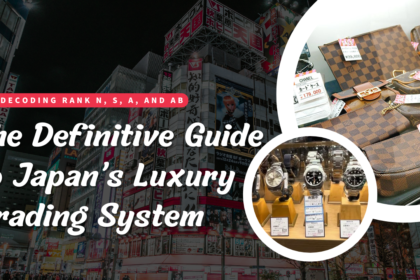
No analysis of Louis Vuitton acquisition in Tokyo would be complete without acknowledging the city’s extraordinary secondary market. Tokyo is home to the world’s most rigorous and well-curated network of pre-owned luxury retailers, from established names like Daikokuya and Komehyo to the quietly influential specialists operating in Ginza and Aoyama. The Japanese pre-owned market is defined by an almost clinical standard of authentication and condition grading, a cultural commitment to preservation that has no true parallel elsewhere.
For collectors seeking discontinued models, vintage monogram pieces, or limited editions from previous seasons, Tokyo’s secondary market is not merely an alternative — it is the primary destination. Items surface here that may never appear on Western consignment platforms, often in condition that would be classified as unworn. The depth of inventory reflects Japan’s decades-long position as Louis Vuitton’s most devoted market, a history that has seeded the resale ecosystem with exceptional volume and variety.
Investment-Grade Acquisitions
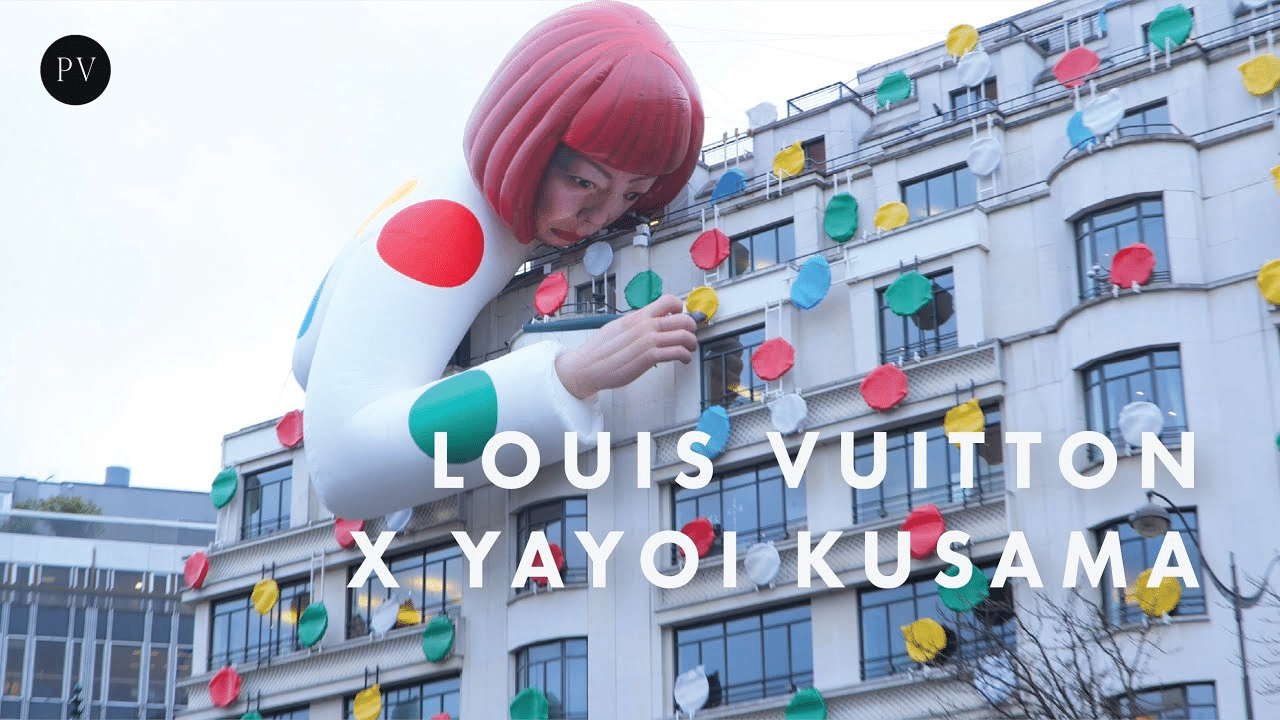
Certain Louis Vuitton pieces have demonstrated compelling value retention and, in select cases, appreciation. Collaborative collections — particularly those with artists such as Yayoi Kusama, Takashi Murakami, and Pharrell Williams — tend to command premiums that increase with time and scarcity. Tokyo’s secondary market provides both the supply of such pieces and the pricing transparency necessary for informed acquisition. Viewing these purchases through an investment lens requires discipline, but for those who approach the market with knowledge, the returns can be substantive.
The Role of Craftsmanship in the Tokyo Buyer’s Decision
Japanese consumers have long been recognized for their acute sensitivity to craftsmanship, and this cultural value shapes the entire Louis Vuitton retail experience in Tokyo. Boutique staff are trained to an exceptional standard, offering detailed knowledge of materials, construction techniques, and the provenance of specific collections. This is not mere salesmanship — it is a reflection of a market that demands substance alongside aesthetics.
For the international buyer, this environment elevates the purchasing experience. The ability to examine stitching, hardware weight, leather grain, and construction details in an atmosphere of unhurried precision is a Tokyo distinction. It is the reason that many global collectors prefer to make their most significant acquisitions here, trusting not only the product but the environment in which it is presented.
Cultural Context: Why Louis Vuitton and Tokyo Share a Unique Bond
The relationship between Louis Vuitton and Japan extends well beyond commerce. The Maison’s collaborations with Japanese artists, its architectural investments in Tokyo, and its sustained cultural programming within the city reflect a genuine creative exchange. The Louis Vuitton exhibition at the Espace in Omotesando, periodic installations at the Ginza flagship, and the brand’s presence during Tokyo Art Week all underscore a commitment that transcends seasonal retail cycles.
This cultural integration matters for the buyer because it creates a context of meaning around the product. A Louis Vuitton bag purchased in Tokyo carries associations — with the city’s design heritage, its artisanal traditions, its particular synthesis of precision and beauty — that add a dimension of significance absent from a purchase made elsewhere.
International Buyer Considerations: Logistics and Planning
For those traveling to Tokyo with the specific intention of acquiring Louis Vuitton, a degree of preparation enhances the outcome. Boutique appointments, while not always required, are advisable for accessing private viewing rooms and ensuring the availability of specific models. Understanding seasonal release calendars and aligning visits with product launches or collection rotations can yield access to pieces that sell through rapidly.
- Advance appointments: Requesting a private consultation ensures dedicated attention and access to complete current inventory.
- Multi-location strategy: Visiting several boutiques and department store concessions expands the range of available stock.
- Secondary market research: Identifying reputable pre-owned dealers in advance allows for efficient and confident acquisition of vintage or limited pieces.
- Documentation: Retaining all receipts and tax-free documentation is essential for customs compliance upon return.
The Resale Trajectory: Long-Term Value in a Shifting Market
Louis Vuitton has consistently demonstrated stronger resale value retention than nearly any other luxury house. Within the broader secondary market, certain product categories — trunk-inspired pieces, artist collaborations, and heritage monogram designs — occupy a tier of enduring demand. Tokyo’s role in this market is dual: it serves as both a primary acquisition point and the world’s most liquid resale environment for pre-owned Louis Vuitton.
This liquidity is a critical consideration for collectors and investors. The ability to exit a position — to sell a piece at fair market value, efficiently, through a reputable channel — is as important as the initial purchase. Tokyo provides this infrastructure with a reliability and professionalism that remains unmatched globally.
Conclusion: Tokyo as the Definitive Destination for Louis Vuitton
The question of where to buy Louis Vuitton bags in Tokyo ultimately reveals something larger about the city itself: its capacity to transform a commercial act into an experience of substance and refinement. From the architectural grandeur of its flagship boutiques to the meticulous standards of its secondary market, from favorable pricing dynamics to the availability of pieces found nowhere else, Tokyo offers the most complete and compelling environment for acquiring Louis Vuitton in the world today.
For the discerning buyer — whether a first-time visitor drawn by the currency advantage or a seasoned collector seeking a rare collaboration piece — Tokyo rewards preparation, patience, and an appreciation for the details that elevate a purchase into something worth holding. The city does not merely sell luxury. It understands it, preserves it, and, in its own measured way, redefines it.