How to compare Birkin and Kelly listings by specification, condition, provenance and seller protection.
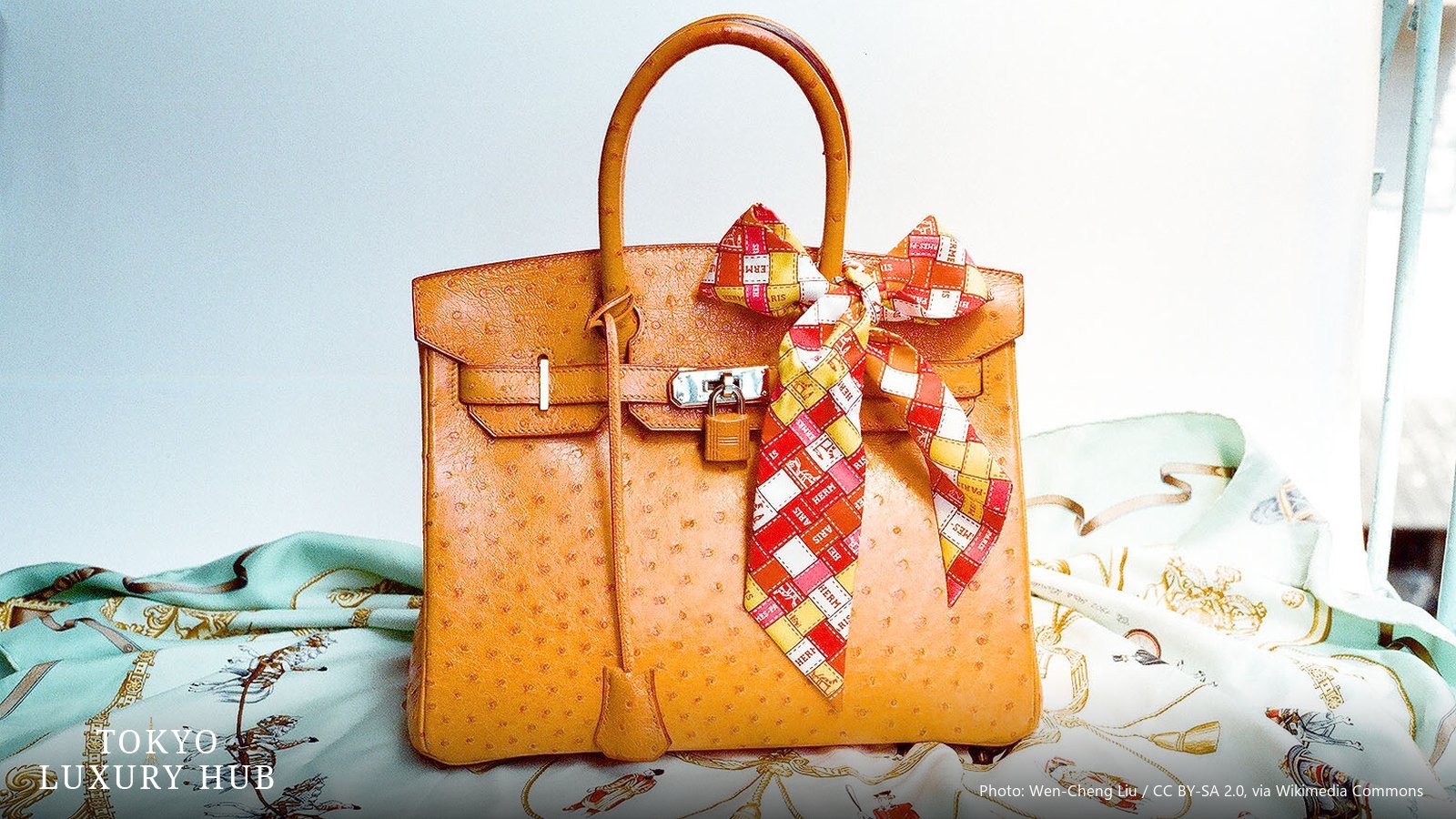
Pre-owned Hermès bag Tokyo buyers can access a deep resale market. Tokyo’s resale market can provide immediate access to Hermès colours, sizes and leathers that may not be available through a boutique visit. The trade-off is that every bag must be evaluated as an individual asset, not simply as a Birkin or a Kelly.
Write down the complete specification
Record the model, size, leather, colour, hardware, date stamp context, condition and included accessories. A Birkin 25 in Togo leather and a Birkin 30 in Epsom are different markets. Our Birkin price guide explains why a single headline price is misleading.
Assess the seller’s protection
- Request the written authenticity guarantee and return policy.
- Ask how the seller documents its inspection.
- Confirm whether the bag was consigned or owned by the store.
- Ask what remedy applies if authenticity is disputed later.
- Retain the listing, invoice and all condition disclosures.
Inspect wear and intervention
Check corners, handles, glazing, stitching, structure, hardware, interior, odour and water marks. Ask directly about spa work, recolouring, repainting, replaced hardware and structural repairs. Undisclosed intervention can change both value and future service options.
Separate rarity from value
A high asking price may reflect a sought-after size, neutral colour, scarce leather or near-unused condition. It does not automatically prove fair market value. Compare several current listings with the same essential specification and inspect the actual flaws behind each grade.
Plan the purchase
Read buying Hermès in Tokyo, compare the Tokyo resale stores, and use the condition-grade guide. Confirm tax-free eligibility, card limits, currency conversion and home-country customs obligations before committing.
Pre-owned Hermès bag Tokyo: seven checks that protect value
| Check | Evidence to request | Decision impact |
|---|---|---|
| Specification | Model, size, leather, colour, hardware and stamp context | Defines the correct comparison market |
| Seller | Business identity, written guarantee and dispute remedy | Shows who stands behind the sale |
| Structure | Shape, handles, base, glazing and stitching | Reveals wear that photographs may hide |
| Intervention | Spa work, repainting, recolouring and replaced parts | Can affect value and future service choices |
| Inclusions | Lock, keys, clochette, strap, dust bag and receipt where applicable | Affects completeness, not authenticity by itself |
| Terms | Returns, warranty, tax treatment and payment rules | Determines practical buyer protection |
| Comparable sales | Several truly similar current listings | Tests whether the asking price is defensible |
Compare Birkin and Kelly bags precisely
Do not compare all Birkins or all Kelly bags as one product. Size changes usability and demand. Leather changes weight, stiffness, scratch behaviour and appearance. Hardware and colour combinations can create different resale markets. A Sellier Kelly and a Retourne Kelly also have different construction and silhouettes. Write the full specification beside every candidate before comparing prices.
Ask the seller to explain any uncertainty in the description. Date stamps should be interpreted in the context of the entire bag and should not be treated as standalone proof. Photographs should show the front, back, sides, base, handles, hardware, interior, corners and areas where wear has been disclosed.
Inspect the high-wear areas
Examine handle darkening, dryness and loss of shape. Look closely at corner rubbing, edge paint or glazing, base pressure, stitching, hardware scratches, interior marks and storage odour. On structured bags, compare both sides and check whether the bag sits evenly. For a Kelly, inspect the strap attachment points and included strap when relevant. For a Birkin, assess the handles and sangles without repeatedly stressing them.
Neutral lighting is useful because strong boutique lighting can reduce the visibility of colour differences and touch-up work. If the bag has been restored, ask for the scope and date. “Spa” is not a complete disclosure. You need to know whether the work involved cleaning, stitching, glazing, colour, hardware or structural intervention.
Plan for use, service and resale
A daily-use buyer may accept more cosmetic wear in exchange for a lower price and less anxiety about the first scratch. A collector may place greater weight on original condition, scarce specification and documented provenance. A future resale plan makes undisclosed restoration, incomplete accessories and unusual modifications more important.
Official service decisions are case-specific. Do not assume that every pre-owned or previously restored bag will receive every requested service. Ask the reseller what its own after-sale support covers and keep that promise in writing. The safest budget also leaves room for insurance, secure storage and normal maintenance rather than spending the entire amount on the purchase price.
Protect the transaction
Save the listing, photographs and seller messages before paying. The invoice should identify the item and record the final price, tax treatment, guarantee and return deadline. Confirm whether returns differ for an in-store purchase, an online order and a tax-free transaction. When travelling, consider customs obligations at your destination and the risk of carrying a high-value item.
Frequently asked questions
Does a receipt prove a Hermès bag is authentic?
No single accessory or document proves the bag by itself. A receipt can support provenance, but it must be assessed with the item, seller evidence and written guarantee.
Why do prices vary so much?
Model, size, leather, colour, hardware, condition, intervention, completeness and current demand all influence asking prices. Compare like with like.
Is the highest condition grade always the best purchase?
Not necessarily. The better purchase is the bag that fits your use, has clearly disclosed condition, carries credible protection and is fairly priced for its exact specification.
A practical decision rule
Buy only when you can describe the exact specification, identify all meaningful wear and intervention, understand the written remedy, and defend the price using comparable bags. Walk away when a critical claim cannot be documented or inspection is rushed.


