



Where to Buy Authentic Chanel Bags in Tokyo: A Definitive Guide for Discerning Collectors
Tokyo has long occupied a singular position in the global luxury ecosystem – a city where meticulous craftsmanship, cultural reverence for quality, and an extraordinarily sophisticated consumer base converge to create one of the world’s most compelling markets for high-end acquisitions.
For those seeking to understand where to buy authentic Chanel bags in Tokyo, the answer extends far beyond a simple list of addresses. It requires an appreciation of the city’s layered retail infrastructure, its rigorous authentication culture, and the unique pricing dynamics that make the Japanese capital a destination of genuine strategic interest for collectors and investors alike.
Chanel occupies an almost unrivaled position within Tokyo’s luxury landscape.
The house’s enduring appeal — rooted in Gabrielle Chanel’s radical vision and perpetuated through Karl Lagerfeld’s transformative tenure and Virginie Viard’s considered stewardship — resonates deeply with Japanese consumers who prize heritage, discretion, and the quiet authority of impeccable design.
This cultural alignment has shaped a market where authenticity is not merely expected but enforced with a rigor that few other cities can match.
Whether one is drawn to the timeless architecture of the Classic Flap, the understated versatility of the Boy Bag, or the increasingly collectible limited editions that surface with remarkable frequency in Tokyo’s secondary channels, the city offers a purchasing environment of exceptional depth and reliability. Understanding its contours is essential for anyone approaching this market with serious intent.
Tokyo’s Position in the Global Chanel Market
Japan has historically represented one of Chanel’s most significant markets worldwide. The relationship between the house and Japanese consumers dates back decades, cultivated through flagship boutiques, carefully orchestrated brand experiences, and a mutual respect for artisanal excellence.
Tokyo’s role in this relationship is central. The city accounts for a disproportionate share of Chanel’s Japanese revenue and serves as the primary gateway for international buyers drawn to the market’s depth of inventory and competitive pricing structures.
Several macroeconomic factors reinforce Tokyo’s attractiveness.
Currency fluctuations — particularly periods of yen weakness against the dollar, euro, and yuan — have periodically created meaningful arbitrage opportunities for overseas purchasers.
Chanel’s global pricing strategy, which involves periodic adjustments to harmonize prices across regions, does not eliminate these differentials entirely.
Astute buyers who monitor exchange rate movements can realize savings of ten to fifteen percent compared with equivalent purchases in Paris or New York, depending on market conditions.
The Flagship Boutique Experience
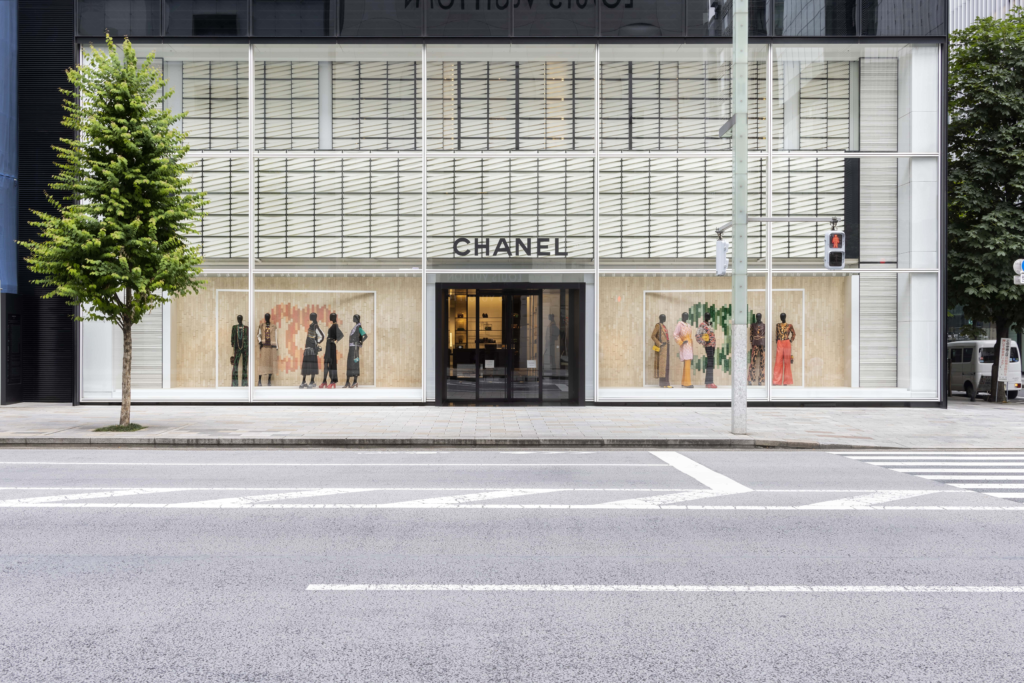
Chanel maintains a commanding physical presence across Tokyo’s most prestigious retail corridors. The Ginza flagship, situated along the district’s celebrated Chuo-dori, represents the fullest expression of the house’s retail vision in Asia.
Its architecture — a collaboration between Peter Marino and the Chanel design team — reflects the brand’s synthesis of modernist clarity and material opulence.
Within, the full range of leather goods, including seasonal introductions and core classics, is presented with the attentive service that defines Chanel’s boutique model.
Key Boutique Locations
Beyond Ginza, Chanel operates dedicated boutiques in Omotesando, Shinjuku, and the Roppongi Hills complex, each calibrated to its surrounding clientele. The Omotesando location draws a fashion-forward audience attuned to seasonal novelty, while the department store concessions within Isetan Shinjuku and Mitsukoshi Nihombashi offer access to curated selections within environments that carry their own considerable prestige.
For international buyers, these concessions often provide a more accessible entry point, with multilingual staff experienced in facilitating tax-free transactions under Japan’s consumption tax exemption program for foreign visitors.
It is worth noting that Chanel’s most sought-after pieces — particularly limited-edition seasonal bags and exotic leather variants — are subject to allocation practices that favour established clients. Building a relationship with a dedicated sales associate, even remotely in advance of a Tokyo visit, can materially improve access to these rarer offerings.
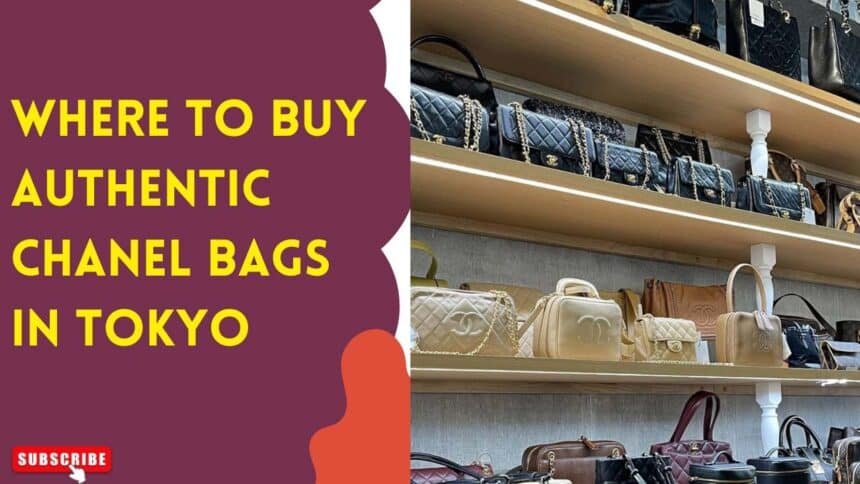
Where to Buy Authentic Chanel Bags in Tokyo’s Secondary Market
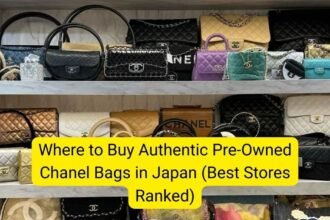
Tokyo’s pre-owned luxury market is, without overstatement, the most sophisticated and trustworthy in the world. The city’s secondary market infrastructure has evolved over more than three decades into a highly regulated, deeply competitive ecosystem where authentication standards approach forensic precision.
For collectors seeking discontinued models, vintage pieces, or current styles at below-retail pricing, this market is indispensable.
The concentration of reputable resellers in districts such as Ginza, Omotesando, and Shinsaibashi-adjacent areas of the broader Kanto region reflects a consumer culture that demands provenance and condition transparency.
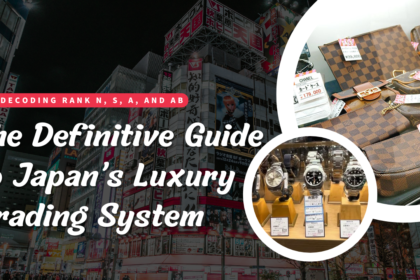
Japanese resellers routinely employ proprietary grading systems often more granular than international equivalents that assess not only structural integrity and surface condition but also hardware patina, serial number legibility, and the completeness of original packaging and documentation.
Authentication Culture and Its Implications
Japan’s authentication infrastructure deserves particular attention. Major resellers such as those operating within the Komehyo, Brand Off, and Daikokuya networks maintain in-house authentication teams with extensive training in Chanel-specific verification.
These teams examine stitching cadence, leather grain consistency, hardware weight and finish, hologram sticker placement, and serial font characteristics elements that collectively form a verification matrix of considerable sophistication. The result is a secondary market where the incidence of counterfeit inventory is vanishingly low compared with peer markets in other regions.
For international buyers, this authentication rigour translates directly into purchasing confidence. The risk calculus that accompanies pre-owned luxury acquisitions in less regulated markets is substantially mitigated in Tokyo, making the city an especially attractive destination for high-value transactions.
Investment Considerations for Chanel Acquisitions
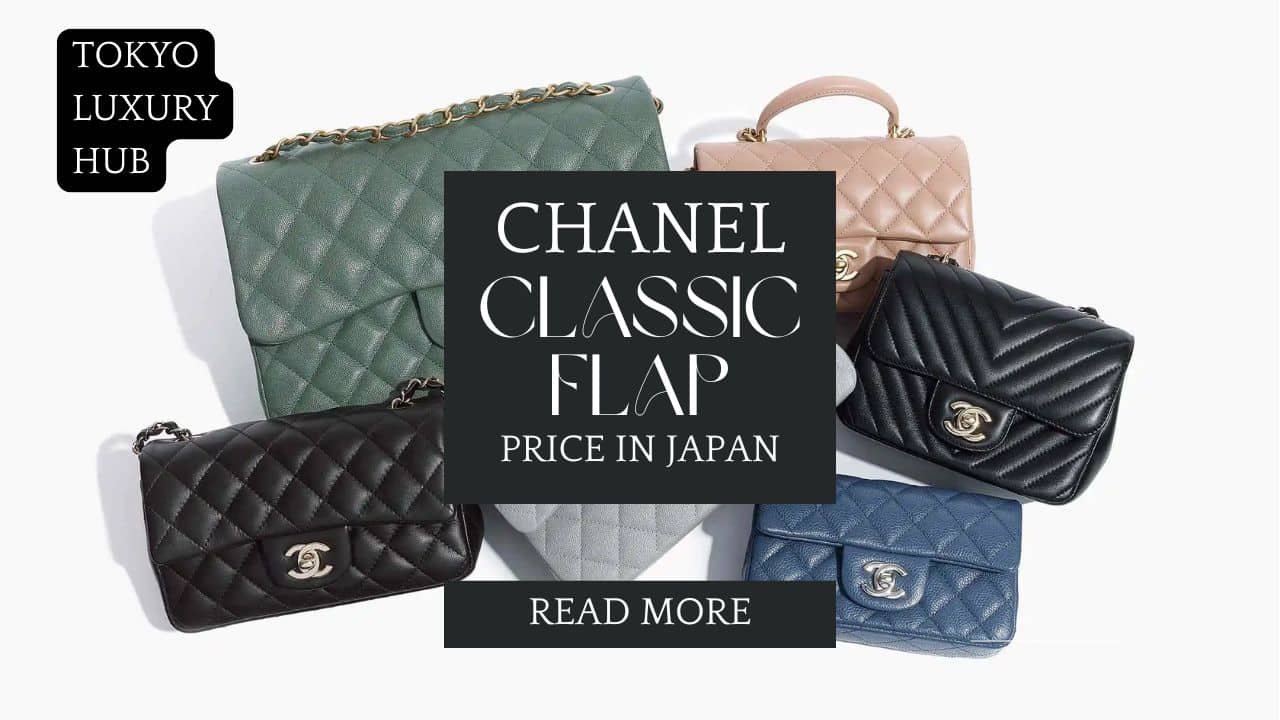
Chanel’s pricing trajectory over the past decade has transformed certain models from luxury purchases into appreciating assets. The Classic Flap, perhaps the most emblematic example, has seen its retail price increase by approximately seventy percent since 2019 alone — a rate of appreciation that outpaces many conventional investment instruments over the same period. This pattern, driven by the house’s deliberate strategy of controlled scarcity and progressive price elevation, shows no indication of reversal.
- Classic Flap (Medium): Consistent year-over-year price increases at retail; strong secondary market premiums for discontinued colourways and hardware combinations.
- Mini and Small variants: Accelerating demand among younger collectors; limited production runs enhance scarcity value.
- Exotic leather editions: Increasingly rare following Chanel’s announced shift away from exotic skins; existing pieces are acquiring genuine collectible status.
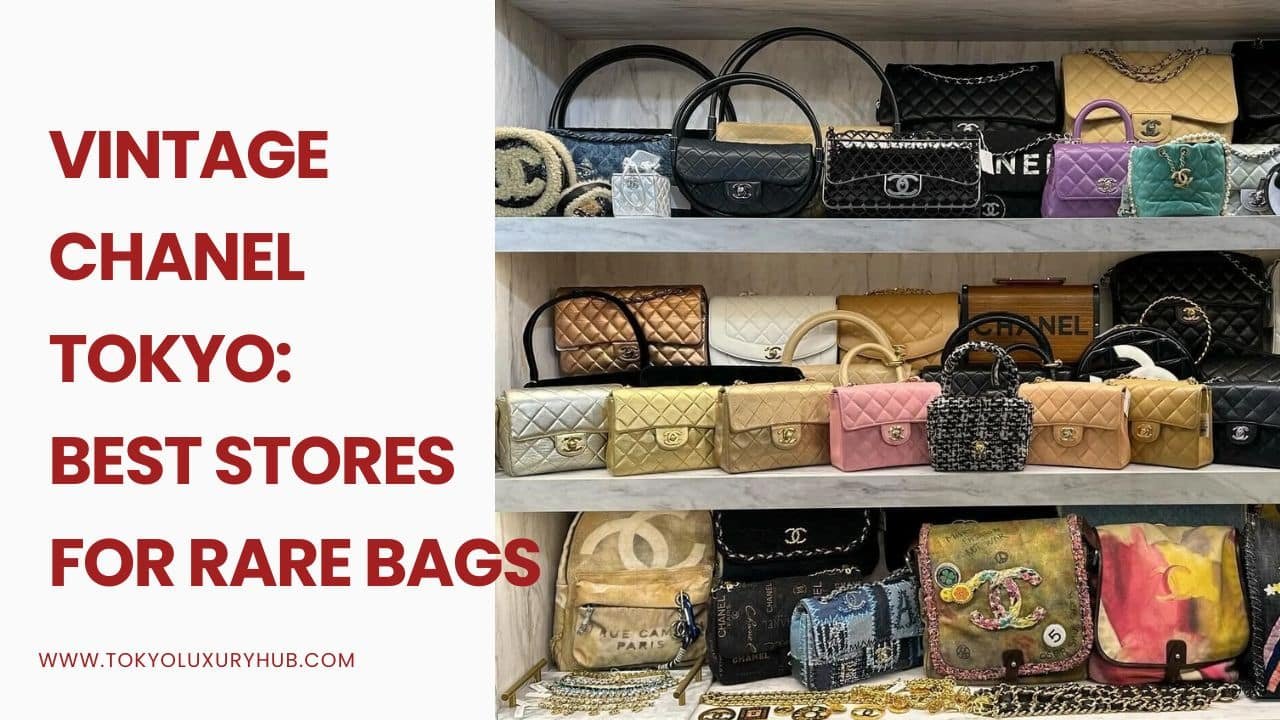
- Vintage pre-1990 pieces: Growing interest among connoisseurs; Tokyo’s secondary market offers the most reliable supply of verified examples.
From an investment perspective, acquiring through Tokyo’s market offers distinct advantages. The condition standards maintained by Japanese owners — often storing bags with silica inserts, dust covers, and climate control — mean that pre-owned pieces sourced from Tokyo frequently present in condition grades that command premiums when resold internationally.
Cultural Context and Consumer Behaviour
Understanding why Tokyo functions so effectively as a Chanel acquisition destination requires acknowledging the cultural currents that shape Japanese luxury consumption. The concept of monozukuri — a deeply held respect for the art of making things — predisposes Japanese consumers toward brands whose products embody visible craftsmanship and considered design. Chanel’s leather goods, with their precise quilting, hand-turned edges, and meticulously weighted chain straps, satisfy this sensibility with particular clarity.
Japanese consumers also tend to maintain their purchases with exceptional care, a behaviour rooted in broader cultural attitudes toward material possessions. This stewardship ethic directly benefits the secondary market, ensuring a consistent supply of pre-owned inventory in conditions that would be classified as near-new in other markets. For international buyers, this cultural dynamic represents a structural advantage that is difficult to replicate elsewhere.
Navigating the Purchasing Process as an International Buyer
Practical considerations merit attention. Japan’s tax-free shopping program permits foreign visitors to purchase goods exempt from the ten percent consumption tax, provided transactions meet minimum thresholds and are processed through authorized retailers. Both Chanel boutiques and major pre-owned dealers participate in this program, and the administrative process is straightforward, typically requiring only a valid passport.
For those unable to visit Tokyo in person, a growing number of established resellers offer authenticated remote purchasing with international shipping, supported by detailed photographic documentation and, in many cases, third-party authentication certificates. This evolution in service delivery has expanded Tokyo’s reach as a global sourcing hub for Chanel collectors, dissolving geographic barriers that once limited access to the market’s extraordinary inventory depth.
The Role of Department Stores in Luxury Acquisitions
Tokyo’s department stores warrant specific discussion. Institutions such as Isetan, Mitsukoshi, and Takashimaya operate not merely as retail environments but as curators of luxury experience. Their Chanel concessions benefit from the stores’ own reputational capital, and their loyalty programs — particularly Isetan’s MI Card system — offer tangible benefits including points accumulation and access to private sale events. For repeat visitors to Tokyo, establishing a department store relationship can complement direct boutique engagement and provide an additional channel for securing sought-after pieces.
Resale Value and Long-Term Market Outlook
The secondary market for Chanel handbags shows structural resilience. Unlike fashion categories subject to trend-driven volatility, Chanel’s core leather goods benefit from brand-controlled scarcity, consistent price increases at retail, and a global collector base whose appetite shows no signs of contraction. Tokyo’s position within this ecosystem is, if anything, strengthening — as international awareness of the market’s authentication standards and condition quality grows, cross-border demand for Tokyo-sourced pieces continues to increase.
Pieces acquired today through Tokyo’s verified channels carry a provenance advantage that enhances their future resale positioning. The documentation practices of Japanese retailers — including detailed receipts, authentication cards, and condition reports — create a chain of custody that sophisticated secondary market buyers increasingly expect and reward.
Conclusion: Tokyo as the Definitive Destination
For those considering where to buy authentic Chanel bags in Tokyo, the city presents an environment of unmatched depth, reliability, and strategic advantage.
From the refined ambience of its flagship boutiques to the forensic rigour of its secondary market dealers, Tokyo offers a purchasing ecosystem that serves collectors, investors, and first-time buyers with equal distinction. The convergence of cultural stewardship, authentication excellence, and favourable pricing dynamics positions the city not merely as one option among many, but as the preeminent global destination for considered Chanel acquisitions.
Those who approach this market with patience and informed intent will find it rewards them with authenticity, value, and the quiet satisfaction of acquiring something genuinely exceptional.